FRCS Paediatric Ortho — improved notes
FRCS Paediatric Ortho — visual inline notes

003. DDH

visual-inline rebuild3 extracted figuresspeaker notes XML73 study lines10 Q&A

Individual slide images have been cropped from the rendered slide and inserted beside the matching note section. The full slide remains below only for layout/audit.

Clean FRCS notes with inline figures

DDH
Radiograph / imaging - radiograph
Fig 3. Radiograph / imaging - radiographmiddle left

Overall treatment principle:

•< 6 months
•Pavlik Harness
•Teratogenic irreducible → CR + arthrogram at 4 months
•6-18 months, or < 6 months fail Pavlik Harness
•Arthrogram + Closed reduction
•Open reduction
•> 18 months
•Open reduction +/- secondary femoral and acetabular procedures

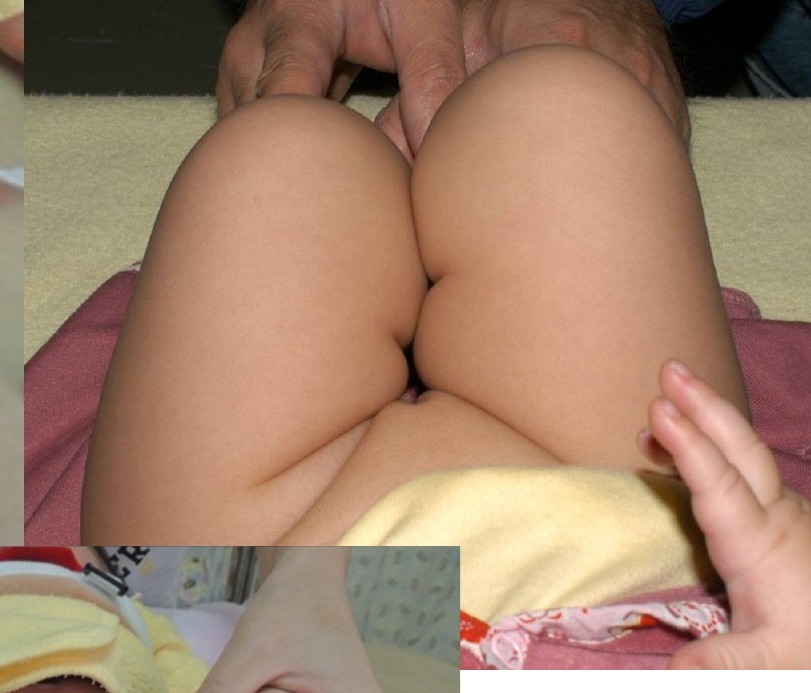
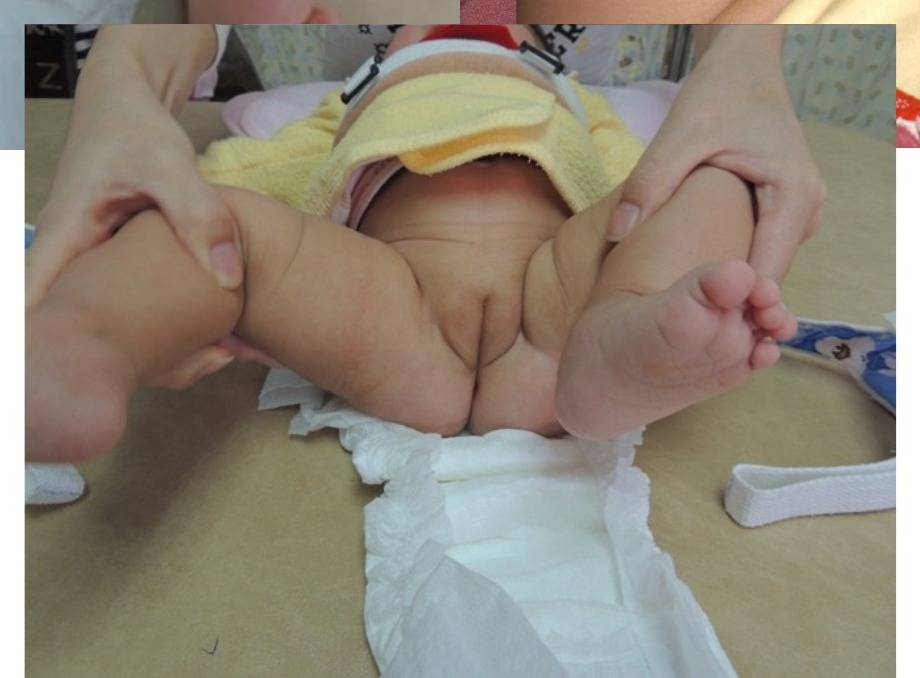
Clinical photographs
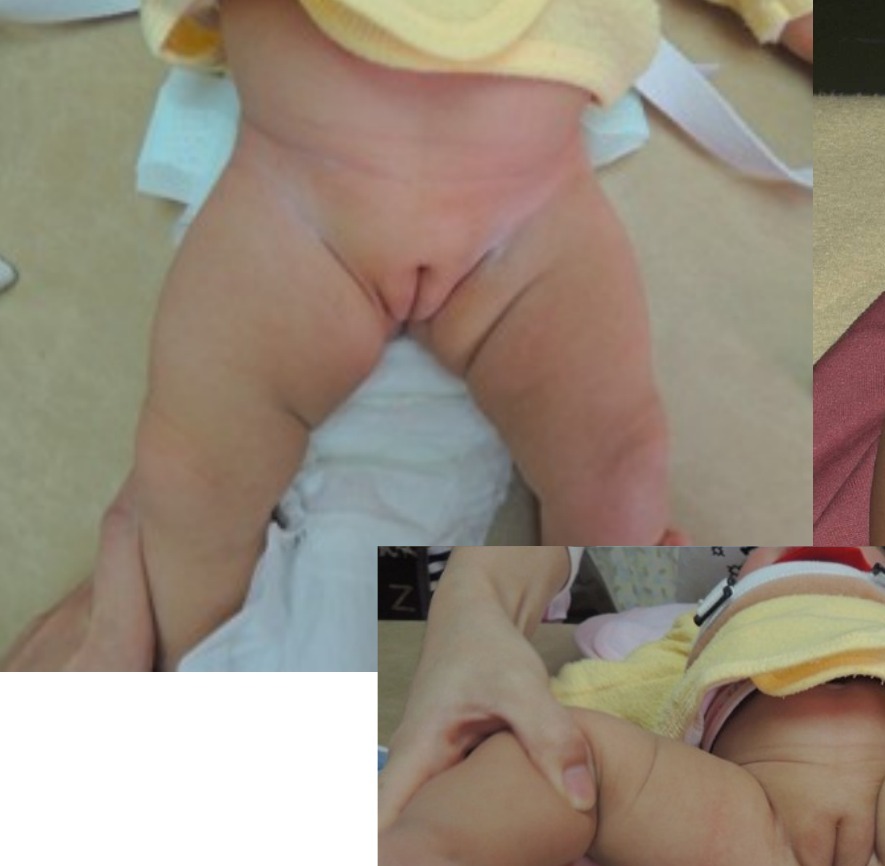
Clinical photograph - clinical photograph
Fig 1. Clinical photograph - clinical photographtop left
Clinical photograph - clinical photograph
Fig 2. Clinical photograph - clinical photographtop centre
•Asymmetrical proximal skin crease
•Limited abduction of left thigh
•Galeazzi test left femur shortening
•r/o DDH

History

•FMHx, 1st born, female, breech, oligohydramnios, twin

Examination

•Asymmetrical thigh crease
•Ortolani (test whether hip is reducible, by elevation and abduction of the flexed femur)
•Barlow (test whether hip is subluxable, by adduction and depression of the flexed femur)
•Abduction ROM symmetrical? (Flexion abduction, most sensitive)
•Galeazzi test (false –ve on bilateral)
•Klisic sign (GT to ASIS, normal if at or above umbilicus)
•Older child: waddling gait with hyperlordosis of lumbar spine
•Ortolani and barlow both specific but not sensitive

Systemically look for associated features (packaging syndrome)

•Torticollis, congenital recurvatum / knee dislocation, calcaneovalgus feet, clubfoot, metatarsus adductus
•Rule out teratogenic dislocation
•Arthrogryposis
•CP / spina bifida
Type / groupDefinition / note
IxUSG (static and dynamic)

Management:

•Subluxable <2week → can be physiological,double napkin
•Dislocated + reducible or >2 weeks subluxable → Pavlik harness
•No need wait for USG to start PH if dislocatable and reducible clinically
•If dislocated and not reducible: can still try PH X 1 mth

Proposed aetiology:

•Genetic
•Mechanical: breech + knee in extension (strong hamstring act on hip)
•Maternal hormone: ligamental laxity esp in female fetus
•More common over the left side

What’s your view on screening program for DDH?

•Universal screening for DDH using USG has been an area of debate. Overall, found to have low sensitivity (89%) and poor PPV (62%), which leads on over diagnosis and treatment. Does not meet the WHO / Wilson criteria for universal screening.
•Wilson and Jungner criteria 1968

Diagnosis:

•Important health issue. Disease has high enough prevalence to allow screening

Natural history known

•Early sx phase + early treatment > late treatment

Test:

•Accepted by patient
•High sensitivity
•Available facilities
•Cost effective

Screen population features:

Accepted and effective treatment

•Patient are willing to undergo further evaluation and treatment
•2 studies
•2002 JBJS Norwegian group

Universal screening with USG – missed 1 case

Selective screening with USG – missed 5 cases

•No significant difference
•2009 JBJS international hip dysplasia institute
•3 groups

Universal screening

No screening

Selective screening

Selective screening found to be most cost effective

AAP suggest selective screening for:

•Abnormal PE

Patients with risk factor: FHx, breech

Direct Q&A

Q1 What is the age-based treatment principle for DDH?
•< 6 months
•Pavlik Harness
•Teratogenic irreducible → CR + arthrogram at 4 months
•6-18 months, or < 6 months fail Pavlik Harness
•Arthrogram + Closed reduction
•Open reduction
•> 18 months
•Open reduction +/- secondary femoral and acetabular procedures
Q2 What clinical signs are shown for DDH?

Asymmetrical proximal skin crease

•Limited abduction of left thigh
•Galeazzi test left femur shortening
•r/o DDH
Q3 What history should be elicited for DDH?

FMHx, 1st born, female, breech, oligohydramnios, twin

Q4 What examination findings should be assessed in DDH?

Asymmetrical thigh crease

•Ortolani (test whether hip is reducible, by elevation and abduction of the flexed femur)
•Barlow (test whether hip is subluxable, by adduction and depression of the flexed femur)
•Abduction ROM symmetrical? (Flexion abduction, most sensitive)
•Galeazzi test (false –ve on bilateral)
•Klisic sign (GT to ASIS, normal if at or above umbilicus)
•Older child: waddling gait with hyperlordosis of lumbar spine
•Ortolani and barlow both specific but not sensitive
Q5 What signs or features are listed for DDH?

Torticollis, congenital recurvatum / knee dislocation, calcaneovalgus feet, clubfoot, metatarsus adductus

Rule out teratogenic dislocation

•Arthrogryposis
•CP / spina bifida
•Ix: USG (static and dynamic)
Q6 How is DDH managed?
•Subluxable <2week → can be physiological,double napkin
•Dislocated + reducible or >2 weeks subluxable → Pavlik harness
•No need wait for USG to start PH if dislocatable and reducible clinically
•If dislocated and not reducible: can still try PH X 1 mth
Q7 What aetiology is described for DDH?

Genetic

•Mechanical: breech + knee in extension (strong hamstring act on hip)
•Maternal hormone: ligamental laxity esp in female fetus
•More common over the left side
Q8 What is the evidence and recommendation for screening program for DDH?
•Universal screening for DDH using USG has been an area of debate. Overall, found to have low sensitivity (89%) and poor PPV (62%), which leads on over diagnosis and treatment. Does not meet the WHO / Wilson criteria for universal screening.
•Wilson and Jungner criteria 1968
Q9 What natural history is described for DDH?

Early sx phase + early treatment > late treatment

Q10 What screening evidence or recommendation is listed for DDH?

No significant difference

•2009 JBJS international hip dysplasia institute
•3 groups

Raw speaker-note hierarchy audit

#lvlmarLindentlogicaloriginal note line
10NoneNone0DDH
20NoneNone0Overall treatment principle:
30NoneNone0< 6 months
41NoneNone1Pavlik Harness
51NoneNone1Teratogenic irreducible --> CR + arthrogram at 4 months
60NoneNone06-18 months, or < 6 months fail Pavlik Harness
71NoneNone1Arthrogram + Closed reduction
81NoneNone1Open reduction
90NoneNone0> 18 months
101NoneNone1Open reduction +/- secondary femoral and acetabular procedures
110000--------
120000Describe photos:
130000Asymmetrical proximal skin crease
140000Limited abduction of left thigh
150000Galeazzi test left femur shortening
160171450-1714501r/o DDH
170000Hx:
180171450-1714501FMHx, 1st born, female, breech, oligohydramnios, twin
190000PE
200171450-1714501Asymmetrical thigh crease
210171450-1714501Ortolani (test whether hip is reducible, by elevation and abduction of the flexed femur)
220171450-1714501Barlow (test whether hip is subluxable, by adduction and depression of the flexed femur)
230171450-1714501Abduction ROM symmetrical? (Flexion abduction, most sensitive)
240171450-1714501Galeazzi test (falve –ve on bilateral)
250171450-1714501Klisic sign (GT to ASIS, normal if at or above umbilicus)
260171450-1714501Older child: waddling gait with hyperlordosis of lumbar spine
270000Ortolani and barlow both specific but not sensitive
280000Systemically look for associated features (packaging syndrome)
290171450-1714501Torticollis, congenital recurvatum / knee dislocation, calcaneovalgus feet, clubfoot, metatarsus adductus
300000Rule out teratogenic dislocation
311628650-1714502Arthrogryposis
321628650-1714502CP / spina bifida
330000Ix: USG (static and dynamic)
340000Management:
350171450-1714501Subluxable <2week → can be physiological,double napkin
360171450-1714501Dislocated + reducible or >2 weeks subluxable → Pavlik harness
370171450-1714501No need wait for USG to start PH if dislocatable and reducible clinically
380000If dislocated and not reducible: can still try PH X 1 mth
390000------------------------------
400000Proposed aetiology:
410171450-1714501Genetic
420171450-1714501Mechanical: breech + knee in extension (strong hamstring act on hip)
430171450-1714501Maternal hormone: ligamental laxity esp in female fetus
440000More common over the left side
450000What’s your view on screening program for DDH?
460000Universal screening for DDH using USG has been an area of debate. Overall, found to have low sensitivity (89%) and poor PPV (62%), which leads on over diagnosis and treatment. Does not meet the WHO / Wilson criteria for universal screening.
470000Wilson and Jungner criteria 1968
480000Dx:
490228600-2286001Important health issue. Disease has high enough prevalence to allow screening
500228600-2286001Natural history known
510228600-2286001Early sx phase + early treatment > late treatment
520000Test:
530228600-2286001Accepted by patient
540228600-2286001High sensitivity
550228600-2286001Available facilities
560228600-2286001Cost effective
570000Screen population features:
580228600-2286001Accepted and effective treatment
590228600-2286001Patient are willing to undergo further evaluation and treatment
6000002 studies
6100002002 JBJS Norwegian group
620171450-1714501Universal screening with USG – missed 1 case
630171450-1714501Selective screening with USG – missed 5 cases
640171450-1714501No significant difference
6500002009 JBJS international hip dysplasia institute
660171450-17145013 groups
670171450-1714501Universal screening
680171450-1714501No screening
690171450-1714501Selective screening
700171450-1714501Selective screening found to be most cost effective
710000AAP suggest selective screening for:
720171450-1714501Abnormal PE
730171450-1714501Patients with risk factor: FHx, breech

Improved semantic hierarchy used for the study notes

#semantic levelsection?rewritten line
10DDH
20yesOverall treatment principle:
31< 6 months
41Pavlik Harness
51Teratogenic irreducible → CR + arthrogram at 4 months
616-18 months, or < 6 months fail Pavlik Harness
71Arthrogram + Closed reduction
81Open reduction
91> 18 months
101Open reduction +/- secondary femoral and acetabular procedures
110——
120yesClinical photographs
131Asymmetrical proximal skin crease
141Limited abduction of left thigh
151Galeazzi test left femur shortening
161r/o DDH
170yesHistory
181FMHx, 1st born, female, breech, oligohydramnios, twin
190yesExamination
201Asymmetrical thigh crease
211Ortolani (test whether hip is reducible, by elevation and abduction of the flexed femur)
221Barlow (test whether hip is subluxable, by adduction and depression of the flexed femur)
231Abduction ROM symmetrical? (Flexion abduction, most sensitive)
241Galeazzi test (false –ve on bilateral)
251Klisic sign (GT to ASIS, normal if at or above umbilicus)
261Older child: waddling gait with hyperlordosis of lumbar spine
271Ortolani and barlow both specific but not sensitive
280yesSystemically look for associated features (packaging syndrome)
291Torticollis, congenital recurvatum / knee dislocation, calcaneovalgus feet, clubfoot, metatarsus adductus
301Rule out teratogenic dislocation
312Arthrogryposis
322CP / spina bifida
331Ix: USG (static and dynamic)
340yesManagement:
351Subluxable <2week → can be physiological,double napkin
361Dislocated + reducible or >2 weeks subluxable → Pavlik harness
371No need wait for USG to start PH if dislocatable and reducible clinically
381If dislocated and not reducible: can still try PH X 1 mth
390——
400yesProposed aetiology:
411Genetic
421Mechanical: breech + knee in extension (strong hamstring act on hip)
431Maternal hormone: ligamental laxity esp in female fetus
441More common over the left side
450yesWhat’s your view on screening program for DDH?
461Universal screening for DDH using USG has been an area of debate. Overall, found to have low sensitivity (89%) and poor PPV (62%), which leads on over diagnosis and treatment. Does not meet the WHO / Wilson criteria for universal screening.
471Wilson and Jungner criteria 1968
480yesDiagnosis:
491Important health issue. Disease has high enough prevalence to allow screening
500yesNatural history known
511Early sx phase + early treatment > late treatment
520yesTest:
531Accepted by patient
541High sensitivity
551Available facilities
561Cost effective
570yesScreen population features:
580yesAccepted and effective treatment
591Patient are willing to undergo further evaluation and treatment
6012 studies
6112002 JBJS Norwegian group
620yesUniversal screening with USG – missed 1 case
630yesSelective screening with USG – missed 5 cases
641No significant difference
6512009 JBJS international hip dysplasia institute
6613 groups
670yesUniversal screening
680yesNo screening
690yesSelective screening
700yesSelective screening found to be most cost effective
710yesAAP suggest selective screening for:
721Abnormal PE
730yesPatients with risk factor: FHx, breech