FRCS Paediatric Ortho — improved notes
FRCS Paediatric Ortho — visual inline notes

054. JRA

visual-inline rebuild1 extracted figuresspeaker notes XML42 study lines3 Q&A

Individual slide images have been cropped from the rendered slide and inserted beside the matching note section. The full slide remains below only for layout/audit.

Clean FRCS notes with inline figures

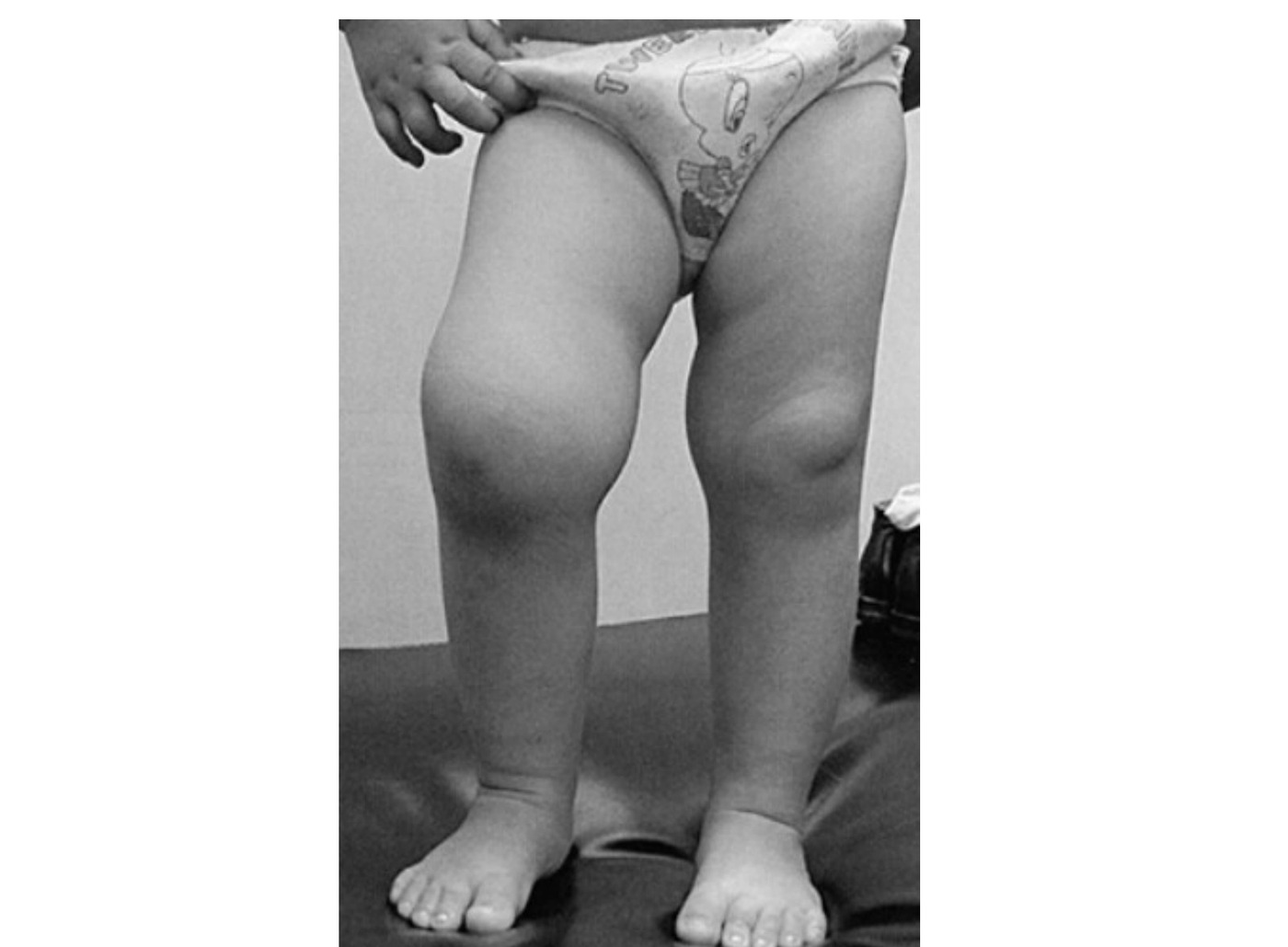
Recurrent knee effusion in a child

•Ddx: infection, trauma (NAI), inflammatory (JRA), hemophilia

JRA/ juvenile idiopathic arthritis:

•A persistent autoimmune inflammatory arthritis lasting > 6 weeks in a patient younger than 16 years of age
•Genetics: HLA-DR4 (poly-arthritis), HLA- DR8, 5, 2.1/ HLA B27 (pauciarthritis)

Diagnosis by exclusion

Types:

•Polyarthritis (similar to RA) – 25-40%
•Oligoarthiritis (similar to seronegative, commonly associated with eye problem) – 50%
•Systemic (Still disease) – 10-20%

Clinical features:

•General
•Intermittent fever
•Rash
•Pericarditis
•Iridocyclitis (Inflammation of iris and ciliary body)
•Ortho
Type / groupDefinition / note
Cspine involvement (kyphosis, facet ankylosis, and atlantoaxial subluxation)
•Tenosynovitis
•Morning stiffness
•Osteoporosis with easy fracture
•Growth retardation (Suppression by corticosteroid)
•Ankylosis of joint in systemic type
•Deformity
•External torsion of the tibia
•Dysplasia of distal ulna
•Underdeveloped mandible (micrognathia)
•Short neck and scoliosis

Still disease:

•Acute presentation (multiple joint involvement, fever, salmon coloured rash, and splenomegaly)
•Usually <3 y.o

Prognosis:

•50% spontaneous resolve, 25% slight limitation, 25% severe disability

Investigation:
Radiograph / imaging
Fig 1. Radiograph / imagingtop left

Xray:

•juxta-articular, late osteopenia and joint destruction
•C spine Xray for atlantoaxial instability
•Blood test: RF (worse prognosis if +ve), ANA (+ve is diagnostic), HLA typing

Treatment:

•Physiotherapy to maintain range and power
•DMARD (azathioprine, etanercept) and biological agent (rituximab)

Surgery: synovectomy, a la carte

Direct Q&A

Q1 What signs or features are listed for JRA?

General

•Intermittent fever
•Rash
•Pericarditis
•Iridocyclitis (Inflammation of iris and ciliary body)
•Ortho
•C-spine involvement (kyphosis, facet ankylosis, and atlantoaxial subluxation)
•Tenosynovitis
•Morning stiffness
•Osteoporosis with easy fracture
•Growth retardation (Suppression by corticosteroid)
•Ankylosis of joint in systemic type
•Deformity
•External torsion of the tibia
•Dysplasia of distal ulna
•Underdeveloped mandible (micrognathia)
•Short neck and scoliosis
Q2 What are the radiographic findings for JRA?

juxta-articular, late osteopenia and joint destruction

•C spine Xray for atlantoaxial instability
•Blood test: RF (worse prognosis if +ve), ANA (+ve is diagnostic), HLA typing
Q3 How is JRA managed?
•Physiotherapy to maintain range and power
•DMARD (azathioprine, etanercept) and biological agent (rituximab)

Raw speaker-note hierarchy audit

#lvlmarLindentlogicaloriginal note line
10NoneNone0Recurrent knee effusion in a child
20NoneNone0Ddx: infection, trauma (NAI), inflammatory (JRA), hemophilia
30NoneNone0JRA/ juvenile idiopathic arthritis:
40NoneNone0A persistent autoimmune inflammatory arthritis lasting > 6 weeks in a patient younger than 16 years of age
50NoneNone0Genetics: HLA-DR4 (poly-arthritis), HLA- DR8, 5, 2.1/ HLA B27 (pauciarthritis)
60NoneNone0Diagnosis by exclusion
70000Types:
80171450-1714501Polyarthritis (similar to RA) – 25-40%
90171450-1714501Oligoarthiritis (similar to seronegative, commonly associated with eye problem) – 50%
100171450-1714501Systemic (Still disease) – 10-20%
110NoneNone0Clinical features:
120000General
130171450-1714501Intermittent fever
140171450-1714501Rash
150171450-1714501Pericarditis
160171450-1714501Iridocyclitis (Inflammation of iris and ciliary body)
170000Ortho
180171450-1714501C-spine involvement (kyphosis, facet ankylosis, and atlantoaxial subluxation)
190171450-1714501Tenosynovitis
200171450-1714501Morning stiffness
210171450-1714501Osteoporosis with easy fracture
220171450-1714501Growth retardation (Suppression by corticosteroid)
230171450-1714501Ankylosis of joint in systemic type
240171450-1714501Deformity
251628650-1714502External torsion of the tibia
261628650-1714502Dysplasia of distal ulna
271628650-1714502Underdeveloped mandible (micrognathia)
281628650-1714502Short neck and scoliosis
290000Still disease:
300000Acute presentation (multiple joint involvement, fever, salmon coloured rash, and splenomegaly)
310000Usually <3 y.o
320000Prognosis:
330171450-171450150% spontaneous resolve, 25% slight limitation, 25% severe disability
340000Investigation:
350NoneNone0Xray:
360171450-1714501juxta-articular, late osteopenia and joint destruction
370171450-1714501C spine Xray for atlantoaxial instability
380000Blood test: RF (worse prognosis if +ve), ANA (+ve is diagnostic), HLA typing
390000Treatment:
400171450-1714501Physiotherapy to maintain range and power
410171450-1714501DMARD (azathioprine, etanercept) and biological agent (rituximab)
420171450-1714501Surgery: synovectomy, a la carte

Improved semantic hierarchy used for the study notes

#semantic levelsection?rewritten line
10Recurrent knee effusion in a child
21Ddx: infection, trauma (NAI), inflammatory (JRA), hemophilia
30yesJRA/ juvenile idiopathic arthritis:
41A persistent autoimmune inflammatory arthritis lasting > 6 weeks in a patient younger than 16 years of age
51Genetics: HLA-DR4 (poly-arthritis), HLA- DR8, 5, 2.1/ HLA B27 (pauciarthritis)
60yesDiagnosis by exclusion
70yesTypes:
81Polyarthritis (similar to RA) – 25-40%
91Oligoarthiritis (similar to seronegative, commonly associated with eye problem) – 50%
101Systemic (Still disease) – 10-20%
110yesClinical features:
121General
131Intermittent fever
141Rash
151Pericarditis
161Iridocyclitis (Inflammation of iris and ciliary body)
171Ortho
181C-spine involvement (kyphosis, facet ankylosis, and atlantoaxial subluxation)
191Tenosynovitis
201Morning stiffness
211Osteoporosis with easy fracture
221Growth retardation (Suppression by corticosteroid)
231Ankylosis of joint in systemic type
241Deformity
252External torsion of the tibia
262Dysplasia of distal ulna
272Underdeveloped mandible (micrognathia)
282Short neck and scoliosis
290yesStill disease:
301Acute presentation (multiple joint involvement, fever, salmon coloured rash, and splenomegaly)
311Usually <3 y.o
320yesPrognosis:
33150% spontaneous resolve, 25% slight limitation, 25% severe disability
340yesInvestigation:
350yesXray:
361juxta-articular, late osteopenia and joint destruction
371C spine Xray for atlantoaxial instability
381Blood test: RF (worse prognosis if +ve), ANA (+ve is diagnostic), HLA typing
390yesTreatment:
401Physiotherapy to maintain range and power
411DMARD (azathioprine, etanercept) and biological agent (rituximab)
420yesSurgery: synovectomy, a la carte