FRCS Paediatric Ortho — improved notes
FRCS Paediatric Ortho — visual inline notes

096. Arthrogryposis

visual-inline rebuild1 extracted figuresspeaker notes XML84 study lines4 Q&A

Individual slide images have been cropped from the rendered slide and inserted beside the matching note section. The full slide remains below only for layout/audit.

Clean FRCS notes with inline figures

Tubular, fusiform, featureless without skin crease

•Upper limb position (e.g. pronated forearm, extended elbow, hand in palm)
•Lower limb position (e.g. FABER, foot deformity)
•Also check the spine for scoliosis
•Arthrogryposis
•Definition: non progressive congenital disease with limited movement involving 2 or more joints
•Symptom, rather than syndrome

Examination
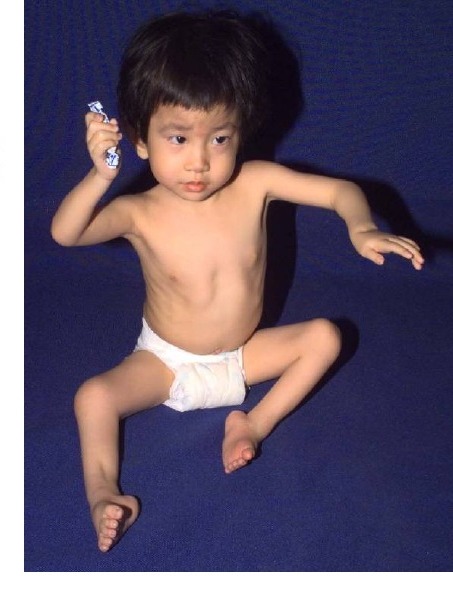
Clinical photograph
Fig 1. Clinical photographtop right

Neurological examination

•Normal exam suggests that arthrogryposis is due to amyoplasia, distal arthrogryposis, generalized connective tissue disorder or fetal crowding
•Abnormal neuro indicates that movement in utero was diminished, as a result of abnormal CNS, PNS or motor endplate or muscle
•Gait
•Assess contracture

Other manifestations:

•Upper extremity deformity
•Teratologic hip subluxation and dislocation
•Knee contractures
•Foot (clubfoot, vertical talus)
•Neuromuscular C shaped scoliosis 33%
•Fractures 25%
•→ Check extraskeletal manifestations: hemangioma on forehead, abdominal wall anomalies e.g. inguinal hernia/ gastroschisis

Diagnosis: EMG, muscle biopsy, enzyme study, genetic study

XR spine and pelvis

Management

MDT approach (pediatrician, ortho, geneticist, physio, P&O, psychologist)

Natural history: normal IQ, life expectancy normal

•Aim: is to increase joint mobility and muscle strength → to develop adaptive use patterns that allow for walking and independence with ADLs
•UL for self care and assistance in ambulation
•LL for mobilization (25% non ambulatory)

Non operative management:

•Physio (passive range will improve, active range and muscle power will not)

Operative management:

Drummond principle

•Deformity recurrence is common
•Because of dense inelastic soft tissue that does not elongate with growth
•Tenotomies + capsulectomies on concave side then plaster and prolonged orthotic support to at least delay recurrence

Maximal correction by surgery

•Wedging and corrective casts no use
•UPPER limb
•IR contracture of shoulder - external humeral rotational osteotomy
•Inability to reach the head hand to the mouth due to elbow extension contracture - posterior capsulotomy and triceps lengthening
•Wrist dorsal carpal wedge osteotomy with a possible FCU transfer to preserve arc of motion
•Correction of thumb in palm deformity

Hips:

•Unilateral – OR
•Bilateral – controversial, used to be conservative, now trend towards sequential reduction

Prognosis:

•25% non ambulatory

•1 in 3000 births
•Direct etiological factor causing akinesis unknown
•Intrinsic (neurogenic 90%, myopathy)
•Extrinsic causes (IU infection, decrease IU movement, oligohydramnios, multiple pregnancy, amniotic bands)
•Maternal disease: DM, MG (?serum antibodies inhibiting fetal ACh receptors leading to decreased number of anterior horn cells)
•Vascular or nutritional disorder

Types / forms:

•Arthrogryposis multiplex congenita AMC (amyoplasia)
•Distal arthrogryposis
•Syndromal (Larsen syndrome, Freeman Sheldon syndrome)
•Neurogenic (myelomeningocele, spinal muscular atrophy)
•AMC Arthrogryposis multiplex congenita
•Heterogenous group of disorders with multiple congenital contractures

Classic form = Amyoplasia

•Sporadic multiple contracture syndrome
•Symmetrical involvement of multiple joints in UL and LL
•CNS normal
•Muscle tissue replaced by fibrofatty tissue
•Most common form
•1 in 10000 birth, 30% of all congenital contractures

Classification

Type I: single localised deformity

•Eg forearm pronation

Type II: full expression

•Absence of shoulder muscles
•Thin limbs
•Elbows extended
•Wrists flexed and ulnarly deviated
•Intrinsic plus deformity of the hands
•Adducted thumbs
•No flexion creases

Type III: full expression

•As per type II
•+ polydactyly
•And involvement of non-neuromuscular systems

Direct Q&A

Q1 Which anatomical structures or danger structures are listed under Neurological examination?
•Normal exam suggests that arthrogryposis is due to amyoplasia, distal arthrogryposis, generalized connective tissue disorder or fetal crowding
•Abnormal neuro indicates that movement in utero was diminished, as a result of abnormal CNS, PNS or motor endplate or muscle
•Gait
•Assess contracture
Q2 What natural history is described for Arthrogryposis?
•Aim: is to increase joint mobility and muscle strength → to develop adaptive use patterns that allow for walking and independence with ADLs
•UL for self care and assistance in ambulation
•LL for mobilization (25% non ambulatory)
Q3 What operative steps, indications, and risks are listed for Non operative management?
•Physio (passive range will improve, active range and muscle power will not)
Q4 What operative steps, indications, and risks are listed for Maximal correction by surgery?
•Wedging and corrective casts no use
•UPPER limb
•IR contracture of shoulder - external humeral rotational osteotomy
•Inability to reach the head hand to the mouth due to elbow extension contracture - posterior capsulotomy and triceps lengthening
•Wrist dorsal carpal wedge osteotomy with a possible FCU transfer to preserve arc of motion
•Correction of thumb in palm deformity

Raw speaker-note hierarchy audit

#lvlmarLindentlogicaloriginal note line
10NoneNone0Tubular, fusiform, featureless without skin crease
20NoneNone0Upper limb position (e.g. pronated forearm, extended elbow, hand in palm)
30NoneNone0Lower limb position (e.g. FABER, foot deformity)
40NoneNone0Also check the spine for scoliosis
50NoneNone0Arthrogryposis
60NoneNone0Definition: non progressive congenital disease with limited movement involving 2 or more joints
70NoneNone0Symptom, rather than syndrome
80NoneNone0PE:
90NoneNone0Neurological examination
100171450-1714501Normal exam suggests that arthrogryposis is due to amyoplasia, distal arthrogryposis, generalized connective tissue disorder or fetal crowding
110171450-1714501Abnormal neuro indicates that movement in utero was diminished, as a result of abnormal CNS, PNS or motor endplate or muscle
120NoneNone0Gait
130NoneNone0Assess contracture
140NoneNone0Other manifestations:
150171450-1714501Upper extremity deformity
160171450-1714501Teratologic hip subluxation and dislocation
170171450-1714501Knee contractures
180171450-1714501Foot (clubfoot, vertical talus)
190171450-1714501Neuromuscular C shaped scoliosis 33%
200171450-1714501Fractures 25%
210000→ Check extraskeletal manifestations: hemangioma on forehead, abdominal wall anomalies e.g. inguinal hernia/ gastroschisis
220NoneNone0Diagnosis: EMG, muscle biopsy, enzyme study, genetic study
230NoneNone0XR spine and pelvis
240NoneNone0Mx:
250NoneNone0MDT approach (pediatrician, ortho, geneticist, physio, P&O, psychologist)
260NoneNone0Natural history: normal IQ, life expectancy normal
270NoneNone0Aim: is to increase joint mobility and muscle strength → to develop adaptive use patterns that allow for walking and independence with ADLs
280NoneNone0UL for self care and assistance in ambulation
290NoneNone0LL for mobilization (25% non ambulatory)
300NoneNone0Non operative management:
310NoneNone0Physio (passive range will improve, active range and muscle power will not)
320NoneNone0Operative management:
330NoneNone0Drummond principle
340228600-2286001Deformity recurrence is common
35145720001Because of dense inelastic soft tissue that does not elongate with growth
360228600-2286001Tenotomies + capsulectomies on concave side then plaster and prolonged orthotic support to at least delay recurrence
370228600-2286001Maximal correction by surgery
381742950-2857502Wedging and corrective casts no use
390NoneNone0UPPER limb
400171450-1714501IR contracture of shoulder - external humeral rotational osteotomy
410171450-1714501Inability to reach the head hand to the mouth due to elbow extension contracture - posterior capsulotomy and triceps lengthening
420171450-1714501Wrist dorsal carpal wedge osteotomy with a possible FCU transfer to preserve arc of motion
430171450-1714501Correction of thumb in palm deformity
440NoneNone0Hips:
450171450-1714501Unilateral – OR
460171450-1714501Bilateral – controversial, used to be conservative, now trend towards sequential reduction
470NoneNone0Prognosis:
480NoneNone025% non ambulatory
490NoneNone0============================
500NoneNone01 in 3000 births
510NoneNone0Direct etiological factor causing akinesis unknown
520171450-1714501Intrinsic (neurogenic 90%, myopathy)
530171450-1714501Extrinsic causes (IU infection, decrease IU movement, oligohydramnios, multiple pregnancy, amniotic bands)
540171450-1714501Maternal disease: DM, MG (?serum antibodies inhibiting fetal ACh receptors leading to decreased number of anterior horn cells)
550171450-1714501Vascular or nutritional disorder
560NoneNone0Types / forms:
570228600-2286001Arthrogryposis multiplex congenita AMC (amyoplasia)
580228600-2286001Distal arthrogryposis
590228600-2286001Syndromal (Larsen syndrome, Freeman Sheldon syndrome)
600228600-2286001Neurogenic (myelomeningocele, spinal muscular atrophy)
610NoneNone0AMC Arthrogryposis multiplex congenita
620NoneNone0Heterogenous group of disorders with multiple congenital contractures
630NoneNone0Classic form = Amyoplasia
640171450-1714501Sporadic multiple contracture syndrome
650171450-1714501Symmetrical involvement of multiple joints in UL and LL
660171450-1714501CNS normal
670171450-1714501Muscle tissue replaced by fibrofatty tissue
680171450-1714501Most common form
690171450-17145011 in 10000 birth, 30% of all congenital contractures
700NoneNone0Classification
710NoneNone0Type I: single localised deformity
720171450-1714501Eg forearm pronation
730NoneNone0Type II: full expression
740171450-1714501Absence of shoulder muscles
750171450-1714501Thin limbs
760171450-1714501Elbows extended
770171450-1714501Wrists flexed and ulnarly deviated
780171450-1714501Intrinsic plus deformity of the hands
790171450-1714501Adducted thumbs
800171450-1714501No flexion creases
810NoneNone0Type III: full expression
820171450-1714501As per type II
830171450-1714501+ polydactyly
840171450-1714501And involvement of non-neuromuscular systems

Improved semantic hierarchy used for the study notes

#semantic levelsection?rewritten line
10Tubular, fusiform, featureless without skin crease
21Upper limb position (e.g. pronated forearm, extended elbow, hand in palm)
31Lower limb position (e.g. FABER, foot deformity)
41Also check the spine for scoliosis
51Arthrogryposis
61Definition: non progressive congenital disease with limited movement involving 2 or more joints
71Symptom, rather than syndrome
80yesExamination
90yesNeurological examination
101Normal exam suggests that arthrogryposis is due to amyoplasia, distal arthrogryposis, generalized connective tissue disorder or fetal crowding
111Abnormal neuro indicates that movement in utero was diminished, as a result of abnormal CNS, PNS or motor endplate or muscle
121Gait
131Assess contracture
140yesOther manifestations:
151Upper extremity deformity
161Teratologic hip subluxation and dislocation
171Knee contractures
181Foot (clubfoot, vertical talus)
191Neuromuscular C shaped scoliosis 33%
201Fractures 25%
211→ Check extraskeletal manifestations: hemangioma on forehead, abdominal wall anomalies e.g. inguinal hernia/ gastroschisis
220yesDiagnosis: EMG, muscle biopsy, enzyme study, genetic study
230yesXR spine and pelvis
240yesManagement
250yesMDT approach (pediatrician, ortho, geneticist, physio, P&O, psychologist)
260yesNatural history: normal IQ, life expectancy normal
271Aim: is to increase joint mobility and muscle strength → to develop adaptive use patterns that allow for walking and independence with ADLs
281UL for self care and assistance in ambulation
291LL for mobilization (25% non ambulatory)
300yesNon operative management:
311Physio (passive range will improve, active range and muscle power will not)
320yesOperative management:
330yesDrummond principle
341Deformity recurrence is common
351Because of dense inelastic soft tissue that does not elongate with growth
361Tenotomies + capsulectomies on concave side then plaster and prolonged orthotic support to at least delay recurrence
370yesMaximal correction by surgery
382Wedging and corrective casts no use
391UPPER limb
401IR contracture of shoulder - external humeral rotational osteotomy
411Inability to reach the head hand to the mouth due to elbow extension contracture - posterior capsulotomy and triceps lengthening
421Wrist dorsal carpal wedge osteotomy with a possible FCU transfer to preserve arc of motion
431Correction of thumb in palm deformity
440yesHips:
451Unilateral – OR
461Bilateral – controversial, used to be conservative, now trend towards sequential reduction
470yesPrognosis:
48125% non ambulatory
490——
5011 in 3000 births
511Direct etiological factor causing akinesis unknown
521Intrinsic (neurogenic 90%, myopathy)
531Extrinsic causes (IU infection, decrease IU movement, oligohydramnios, multiple pregnancy, amniotic bands)
541Maternal disease: DM, MG (?serum antibodies inhibiting fetal ACh receptors leading to decreased number of anterior horn cells)
551Vascular or nutritional disorder
560yesTypes / forms:
571Arthrogryposis multiplex congenita AMC (amyoplasia)
581Distal arthrogryposis
591Syndromal (Larsen syndrome, Freeman Sheldon syndrome)
601Neurogenic (myelomeningocele, spinal muscular atrophy)
611AMC Arthrogryposis multiplex congenita
621Heterogenous group of disorders with multiple congenital contractures
630yesClassic form = Amyoplasia
641Sporadic multiple contracture syndrome
651Symmetrical involvement of multiple joints in UL and LL
661CNS normal
671Muscle tissue replaced by fibrofatty tissue
681Most common form
6911 in 10000 birth, 30% of all congenital contractures
700yesClassification
710yesType I: single localised deformity
721Eg forearm pronation
730yesType II: full expression
741Absence of shoulder muscles
751Thin limbs
761Elbows extended
771Wrists flexed and ulnarly deviated
781Intrinsic plus deformity of the hands
791Adducted thumbs
801No flexion creases
810yesType III: full expression
821As per type II
831+ polydactyly
841And involvement of non-neuromuscular systems