FRCS Paediatric Ortho — improved notes
FRCS Paediatric Ortho — visual inline notes

098. Peroneal muscle atrophy

visual-inline rebuild1 extracted figuresspeaker notes XML25 study lines3 Q&A

Individual slide images have been cropped from the rendered slide and inserted beside the matching note section. The full slide remains below only for layout/audit.

Clean FRCS notes with inline figures

Peroneal muscle atrophy
Radiograph / imaging
Fig 1. Radiograph / imagingtop left
•Hereditary motor sensory neuropathy
Type / groupDefinition / note
12500, most common, affect motor more, usually AD (can be AR, X-linked)
•Peripheral myelin protein 22 (PMP22)
•Duplication of chromosome 17

3 main types

•Demyelinating, 10-20s, AD, cavus foot
•Axonopathy, 20s+, AD, flaccid foot, less disabling
•Both demyelinating and axonal degeneration

Presenting sx:

•Motor deficits (weakness, instability, clumsiness, frequent ankle sprains, difficulty with stairs)
•Lateral foot pain
•Sensory deficit

Examination

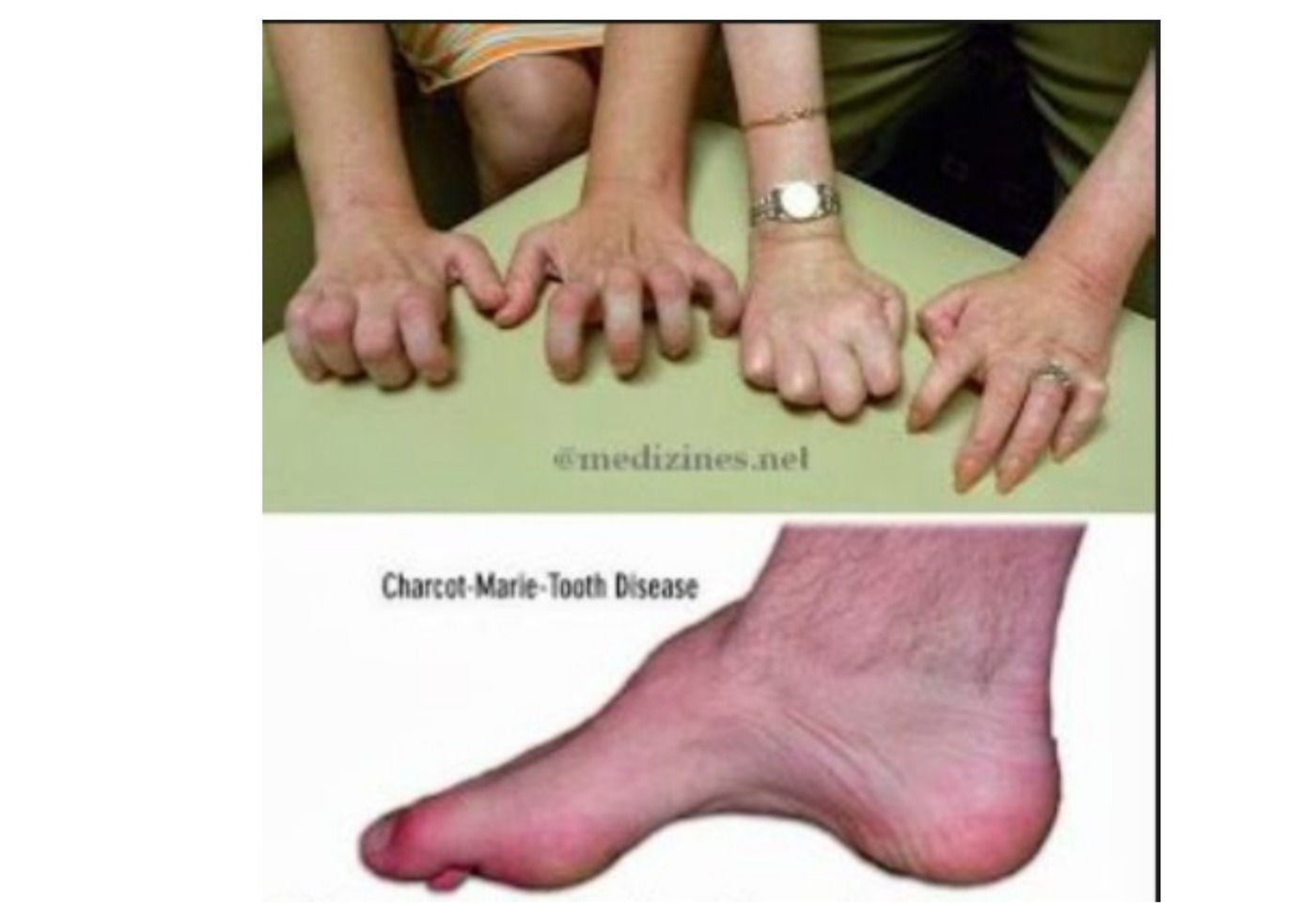
•Cavovarus +/- rigid hindfoot
•Weakened TibAnt and peroneal muscles (foot drop during swing phase)
•Hyporeflexia or areflexia

Other ortho manifestations:

•Hip dysplasia
•Scoliosis
•Hand muscle atrophy and weakness (claw hands)
•Dx
•NCV/ EMG
•DNA – look for PMP22 gene mutation
•chromosome analysis – duplication of chromosome 17

Direct Q&A

Q1 What diagnostic or radiographic findings support Peroneal muscle atrophy?

Peroneal muscle atrophy

•Hereditary motor sensory neuropathy
Type / groupDefinition / note
12500, most common, affect motor more, usually AD (can be AR, X-linked)
•Peripheral myelin protein 22 (PMP22)
•Duplication of chromosome 17

3 main types

•Demyelinating, 10-20s, AD, cavus foot
•Axonopathy, 20s+, AD, flaccid foot, less disabling
•Both demyelinating and axonal degeneration

Presenting sx:

Q2 What examination findings should be assessed in Peroneal muscle atrophy?

Cavovarus +/- rigid hindfoot

•Weakened TibAnt and peroneal muscles (foot drop during swing phase)
•Hyporeflexia or areflexia
Q3 How is Peroneal muscle atrophy managed?

Peroneal muscle atrophy

•Hereditary motor sensory neuropathy
Type / groupDefinition / note
12500, most common, affect motor more, usually AD (can be AR, X-linked)
•Peripheral myelin protein 22 (PMP22)
•Duplication of chromosome 17

3 main types

•Demyelinating, 10-20s, AD, cavus foot
•Axonopathy, 20s+, AD, flaccid foot, less disabling
•Both demyelinating and axonal degeneration

Presenting sx:

•Motor deficits (weakness, instability, clumsiness, frequent ankle sprains, difficulty with stairs)
•Lateral foot pain
•Sensory deficit

Examination

•Cavovarus +/- rigid hindfoot
•Weakened TibAnt and peroneal muscles (foot drop during swing phase)

Raw speaker-note hierarchy audit

#lvlmarLindentlogicaloriginal note line
10NoneNone0Peroneal muscle atrophy
20NoneNone0Hereditary motor sensory neuropathy
30NoneNone01:2500, most common, affect motor more, usually AD (can be AR, X-linked)
41NoneNone1Peripheral myelin protein 22 (PMP22)
51NoneNone1Duplication of chromosome 17
60NoneNone03 main types
70514350-5143501Demyelinating, 10-20s, AD, cavus foot
80514350-5143501Axonopathy, 20s+, AD, flaccid foot, less disabling
90514350-5143501Both demyelinating and axonal degeneration
100000Presenting sx:
110171450-1714501Motor deficits (weakness, instability, clumsiness, frequent ankle sprains, difficulty with stairs)
120171450-1714501Lateral foot pain
130171450-1714501Sensory deficit
140000PE:
150000Cavovarus +/- rigid hindfoot
160000Weakened TibAnt and peroneal muscles (foot drop during swing phase)
170000Hyporeflexia or areflexia
180000Other ortho manifestations:
190171450-1714501Hip dysplasia
200171450-1714501Scoliosis
210171450-1714501Hand muscle atrophy and weakness (claw hands)
220000Dx
230514350-5143501NCV/ EMG
240514350-5143501DNA – look for PMP22 gene mutation
250514350-5143501chromosome analysis – duplication of chromosome 17

Improved semantic hierarchy used for the study notes

#semantic levelsection?rewritten line
10Peroneal muscle atrophy
21Hereditary motor sensory neuropathy
311:2500, most common, affect motor more, usually AD (can be AR, X-linked)
41Peripheral myelin protein 22 (PMP22)
51Duplication of chromosome 17
60yes3 main types
71Demyelinating, 10-20s, AD, cavus foot
81Axonopathy, 20s+, AD, flaccid foot, less disabling
91Both demyelinating and axonal degeneration
100yesPresenting sx:
111Motor deficits (weakness, instability, clumsiness, frequent ankle sprains, difficulty with stairs)
121Lateral foot pain
131Sensory deficit
140yesExamination
151Cavovarus +/- rigid hindfoot
161Weakened TibAnt and peroneal muscles (foot drop during swing phase)
171Hyporeflexia or areflexia
180yesOther ortho manifestations:
191Hip dysplasia
201Scoliosis
211Hand muscle atrophy and weakness (claw hands)
221Dx
231NCV/ EMG
241DNA – look for PMP22 gene mutation
251chromosome analysis – duplication of chromosome 17