FRCS Paediatric Ortho — improved notes
FRCS Paediatric Ortho — visual inline notes

033. Blount disease radiographic measurements

visual-inline rebuild1 extracted figuresspeaker notes XML15 study lines2 Q&A

Individual slide images have been cropped from the rendered slide and inserted beside the matching note section. The full slide remains below only for layout/audit.

Clean FRCS notes with inline figures

Standing Xray
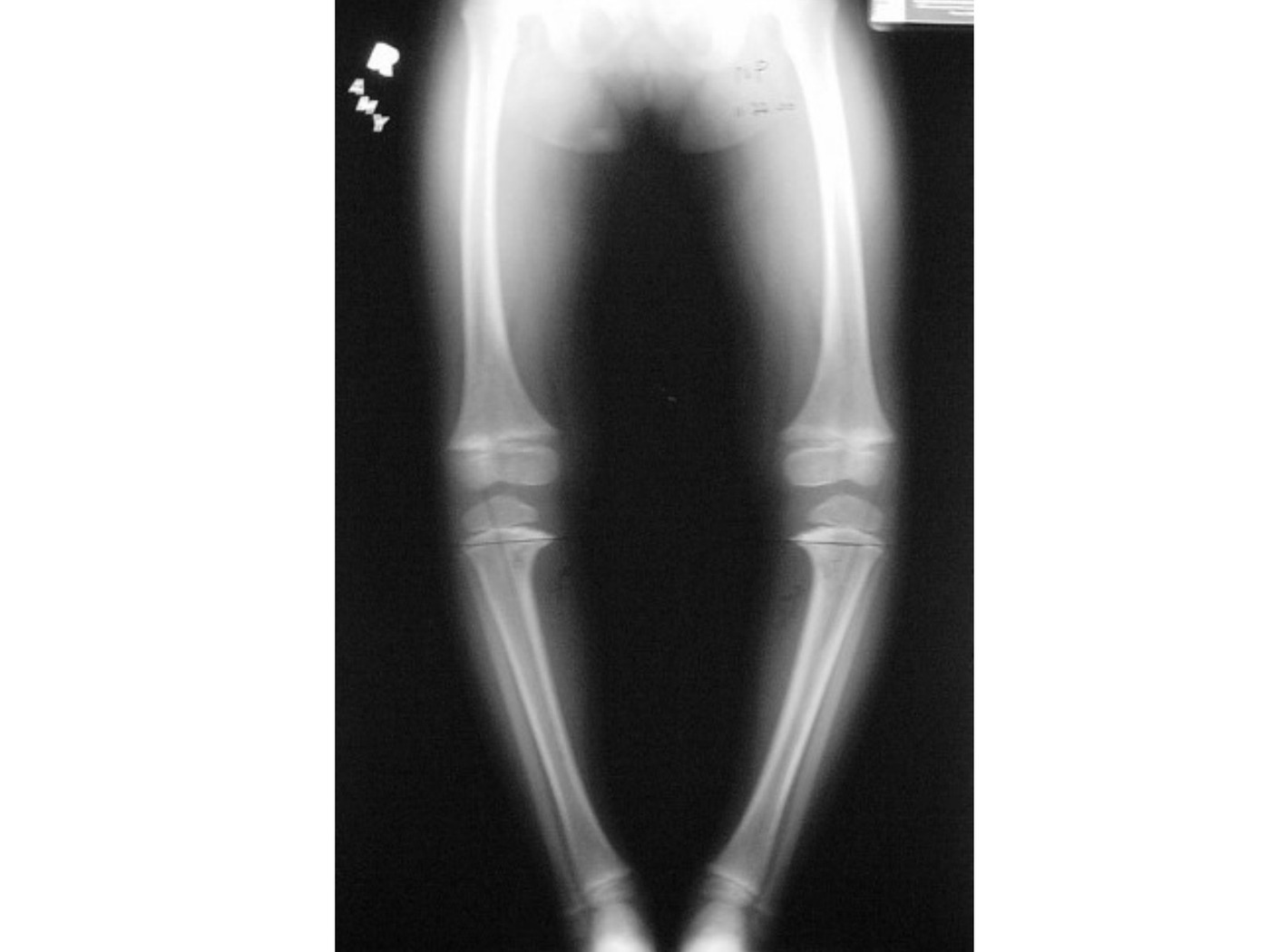
Radiograph / imaging - Blount radiographic measurement
Fig 1. Radiograph / imaging - Blount radiographic measurementtop left
•Skeletally immature
•Bilateral genu varum (increased femorotibial angle)
•Asymmetrical
•Mechanical axis, zone 3
•Tibiofemoral angle
•LDFA (N 85), MPTA (N 87)
•Varus at tibial epiphyseal-metaphyseal area
•Widening of physis, irregularity +/- fragment
•Medial physeal sloping +/- beak, wedge, step etc
•+/- lateral subluxation of tibia
•+/- triangular epiphysis
•Features of trauma, infection, tumour, systemic cause
•Drennan’s angle (<9 likely physiological, >11 Blounts, >16 need OT)
•Medial physeal slope angle [(angle between tangential lines to lateral and medial physis) > 60 deg, high chance of recurrence even after OT]

Direct Q&A

Q1 What are the radiographic findings for Blount disease radiographic measurements?

Skeletally immature

•Bilateral genu varum (increased femorotibial angle)
•Asymmetrical
•Mechanical axis, zone 3
•Tibiofemoral angle
•LDFA (N 85), MPTA (N 87)
•Varus at tibial epiphyseal-metaphyseal area
•Widening of physis, irregularity +/- fragment
•Medial physeal sloping +/- beak, wedge, step etc
•+/- lateral subluxation of tibia
•+/- triangular epiphysis
•Features of trauma, infection, tumour, systemic cause
•Drennan’s angle (<9 likely physiological, >11 Blounts, >16 need OT)
•Medial physeal slope angle [(angle between tangential lines to lateral and medial physis) > 60 deg, high chance of recurrence even after OT]
Q2 How is Blount disease radiographic measurements managed?

Bilateral genu varum (increased femorotibial angle)

•Asymmetrical
•Mechanical axis, zone 3
•Tibiofemoral angle
•LDFA (N 85), MPTA (N 87)
•Varus at tibial epiphyseal-metaphyseal area
•Widening of physis, irregularity +/- fragment
•Medial physeal sloping +/- beak, wedge, step etc
•+/- lateral subluxation of tibia
•+/- triangular epiphysis
•Features of trauma, infection, tumour, systemic cause
•Drennan’s angle (<9 likely physiological, >11 Blounts, >16 need OT)
•Medial physeal slope angle [(angle between tangential lines to lateral and medial physis) > 60 deg, high chance of recurrence even after OT]

Raw speaker-note hierarchy audit

#lvlmarLindentlogicaloriginal note line
10NoneNone0Standing Xray
20NoneNone0Skeletally immature
30NoneNone0Bilateral genu varum (increased femorotibial angle)
40NoneNone0Asymmetrical
50NoneNone0Mechanical axis, zone 3
60NoneNone0Tibiofemoral angle
70NoneNone0LDFA (N 85), MPTA (N 87)
80NoneNone0Varus at tibial epiphyseal-metaphyseal area
90NoneNone0Widening of physis, irregularity +/- fragment
100NoneNone0Medial physeal sloping +/- beak, wedge, step etc
110NoneNone0+/- lateral subluxation of tibia
120NoneNone0+/- triangular epiphysis
130NoneNone0Features of trauma, infection, tumour, systemic cause
140NoneNone0Drennan’s angle (<9 likely physiological, >11 Blounts, >16 need OT)
150NoneNone0Medial physeal slope angle [(angle between tangential lines to lateral and medial physis) > 60 deg, high chance of recurrence even after OT]

Improved semantic hierarchy used for the study notes

#semantic levelsection?rewritten line
10yesStanding Xray
21Skeletally immature
31Bilateral genu varum (increased femorotibial angle)
41Asymmetrical
51Mechanical axis, zone 3
61Tibiofemoral angle
71LDFA (N 85), MPTA (N 87)
81Varus at tibial epiphyseal-metaphyseal area
91Widening of physis, irregularity +/- fragment
101Medial physeal sloping +/- beak, wedge, step etc
111+/- lateral subluxation of tibia
121+/- triangular epiphysis
131Features of trauma, infection, tumour, systemic cause
141Drennan’s angle (<9 likely physiological, >11 Blounts, >16 need OT)
151Medial physeal slope angle [(angle between tangential lines to lateral and medial physis) > 60 deg, high chance of recurrence even after OT]