FRCS Paediatric Ortho — improved notes
FRCS Paediatric Ortho — visual inline notes

062. Pseudoachondroplasia versus achondroplasia versus hypochondroplasia

visual-inline rebuild3 extracted figuresspeaker notes XML19 study lines1 Q&A

Individual slide images have been cropped from the rendered slide and inserted beside the matching note section. The full slide remains below only for layout/audit.

Clean FRCS notes with inline figures

Pseudo → achondro → hypo
Radiograph / imaging
Fig 2. Radiograph / imagingmiddle centre
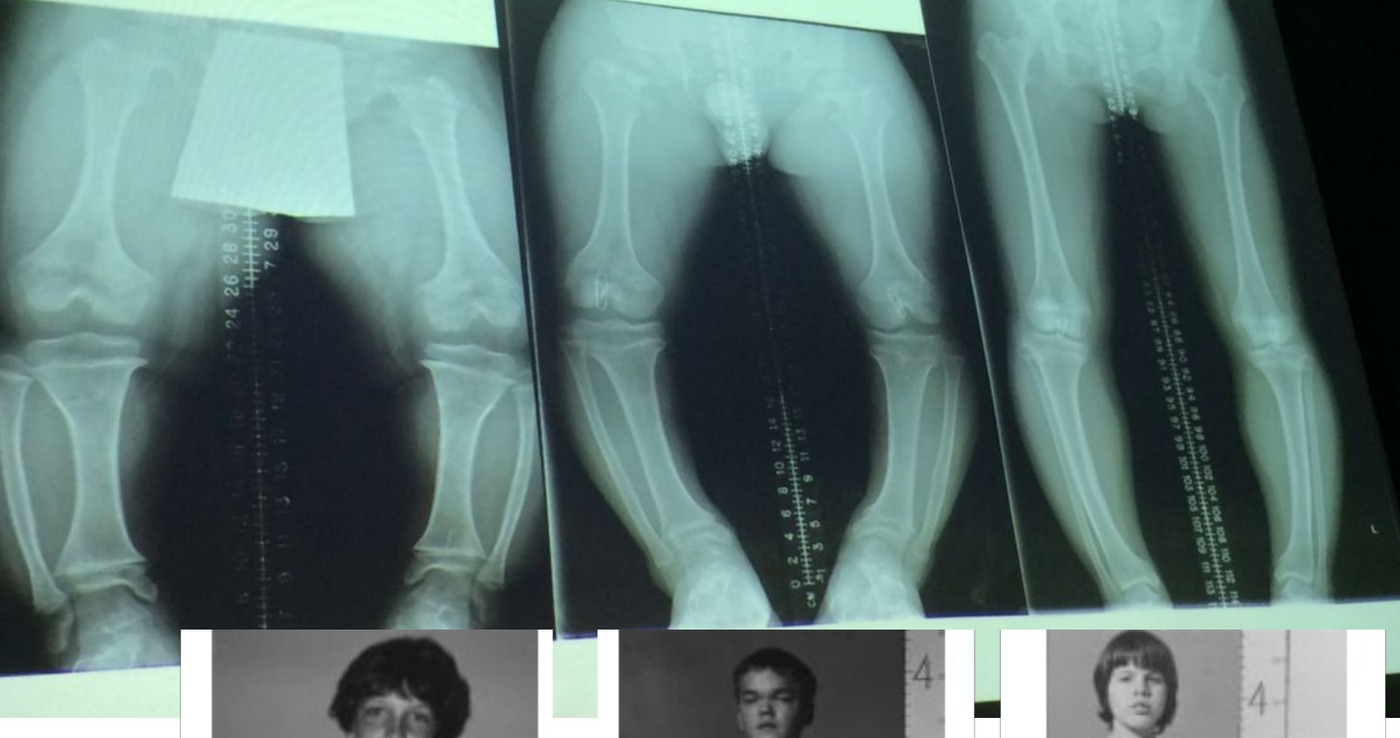
Radiograph / imaging
Fig 3. Radiograph / imagingmiddle left
•In common: AD, short stature

Difference:

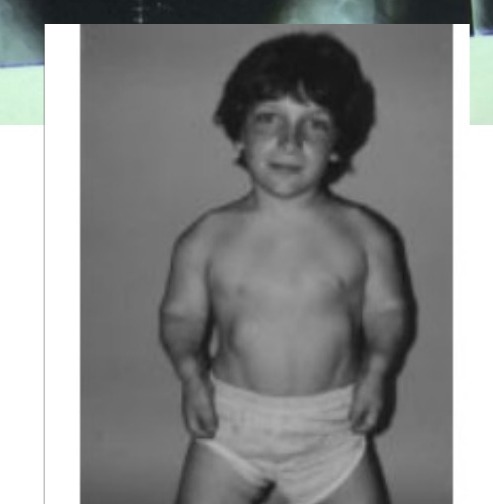
•Achondroplasia: only one with abnormal face and trident hand
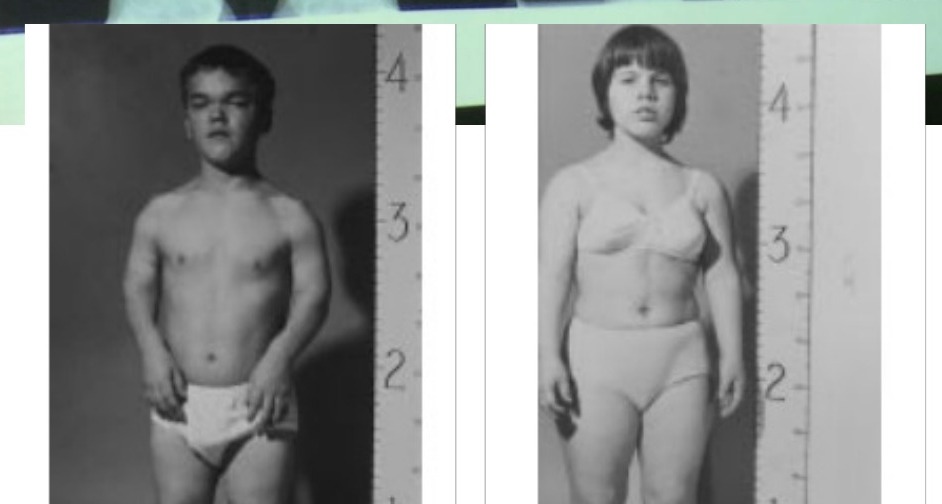
•Pseudochondroplasia = AD, COMP defect on chr19
•Age of onset usually 2nd decade
•Rhizomelic short limbs
•Hip dysplasia
•Windswept LL and knee recurvatum
•Fingers short and broad
•Spine (kyphoscoliosis, platyspondyly, odontoid hypoplasia)
•Normal IQ
•Also mimics SED because of epiphyseal changes, but difference is later onset, milder spine deformity and normal face in pseudo
•Hypochondroplasia = AD, rare form of same gene FGFR3
•Milder dwarfism
•Face N
•Spine changes rare
•MR

Rarely need surgery
Operative / approach image
Fig 1. Operative / approach imagetop left

Direct Q&A

Q1 What are the diagnostic findings and management points for Pseudoachondroplasia versus achondroplasia versus hypochondroplasia?

Pseudo → achondro → hypo

•In common: AD, short stature

Difference:

•Achondroplasia: only one with abnormal face and trident hand
•Pseudochondroplasia = AD, COMP defect on chr19
•Age of onset usually 2nd decade
•Rhizomelic short limbs
•Hip dysplasia
•Windswept LL and knee recurvatum
•Fingers short and broad
•Spine (kyphoscoliosis, platyspondyly, odontoid hypoplasia)
•Normal IQ
•Also mimics SED because of epiphyseal changes, but difference is later onset, milder spine deformity and normal face in pseudo
•Hypochondroplasia = AD, rare form of same gene FGFR3
•Milder dwarfism
•Face N
•Spine changes rare
•MR

Rarely need surgery

Raw speaker-note hierarchy audit

#lvlmarLindentlogicaloriginal note line
10NoneNone0Pseudo → achondro → hypo
20NoneNone0In common: AD, short stature
30NoneNone0Difference:
40000Achondroplasia: only one with abnormal face and trident hand
50NoneNone0Pseudochondroplasia = AD, COMP defect on chr19
60NoneNone0Age of onset usually 2nd decade
70171450-1714501Rhizomelic short limbs
80171450-1714501Hip dysplasia
90171450-1714501Windswept LL and knee recurvatum
100171450-1714501Fingers short and broad
110171450-1714501Spine (kyphoscoliosis, platyspondyly, odontoid hypoplasia)
120171450-1714501Normal IQ
130171450-1714501Also mimics SED because of epiphyseal changes, but difference is later onset, milder spine deformity and normal face in pseudo
140NoneNone0Hypochondroplasia = AD, rare form of same gene FGFR3
150171450-1714501Milder dwarfism
160171450-1714501Face N
170171450-1714501Spine changes rare
180171450-1714501MR
190171450-1714501Rarely need surgery

Improved semantic hierarchy used for the study notes

#semantic levelsection?rewritten line
10Pseudo → achondro → hypo
21In common: AD, short stature
30yesDifference:
41Achondroplasia: only one with abnormal face and trident hand
51Pseudochondroplasia = AD, COMP defect on chr19
61Age of onset usually 2nd decade
71Rhizomelic short limbs
81Hip dysplasia
91Windswept LL and knee recurvatum
101Fingers short and broad
111Spine (kyphoscoliosis, platyspondyly, odontoid hypoplasia)
121Normal IQ
131Also mimics SED because of epiphyseal changes, but difference is later onset, milder spine deformity and normal face in pseudo
141Hypochondroplasia = AD, rare form of same gene FGFR3
151Milder dwarfism
161Face N
171Spine changes rare
181MR
190yesRarely need surgery