Clean FRCS notes with inline figures
Neurofibromatosis
•Three types
•- 1 (NIH consensus)
•- 2 + bilateral vestibular schwannomas
•- Segmental NF (single body segment)
•NIH consensus 1987
•2/7
Family history of 1st degree relative
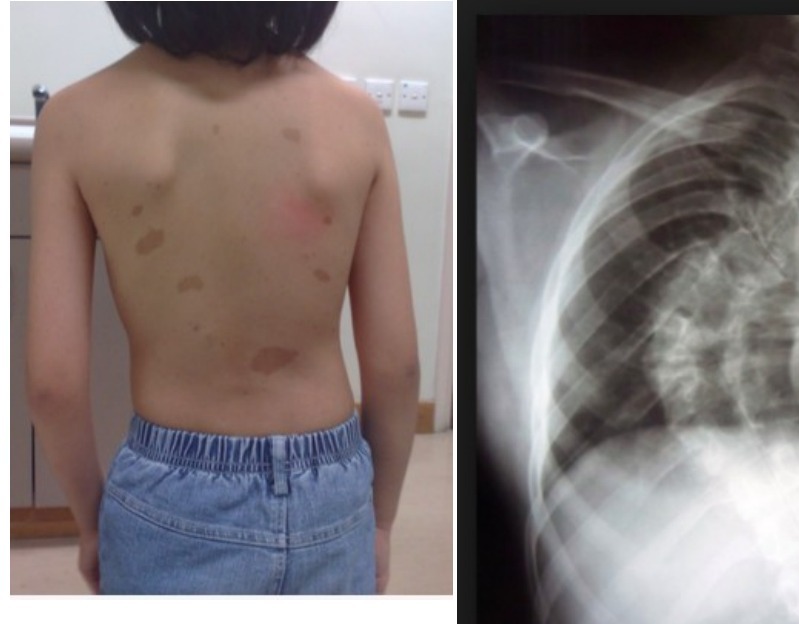
•Skin lesion 1 (Café au lait spot > 6 15mm in adult, 5mm in children)
•Skin lesion 2 (Axillary and groin freckles)
•Nerve lesion (Neurofibroma x 2 / plexiform neurofibroma)
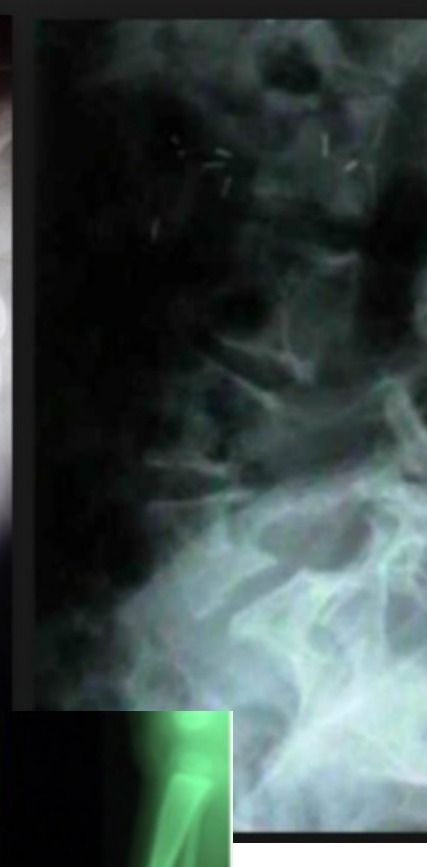
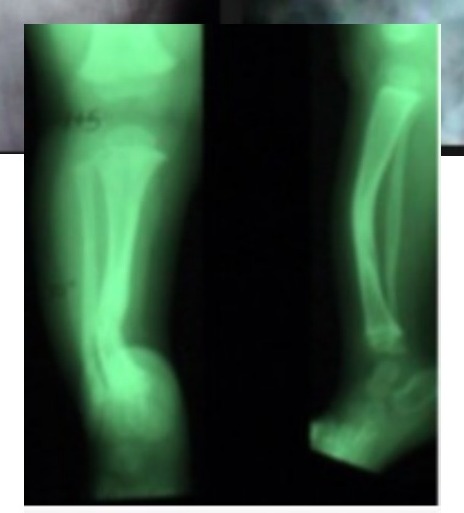
•Bone lesion (Distinctive osseous lesion such as sphenoid dysplasia or thinning of long bone cortex with or without pseudoarthrosis) Tibial pseudoarthrosis
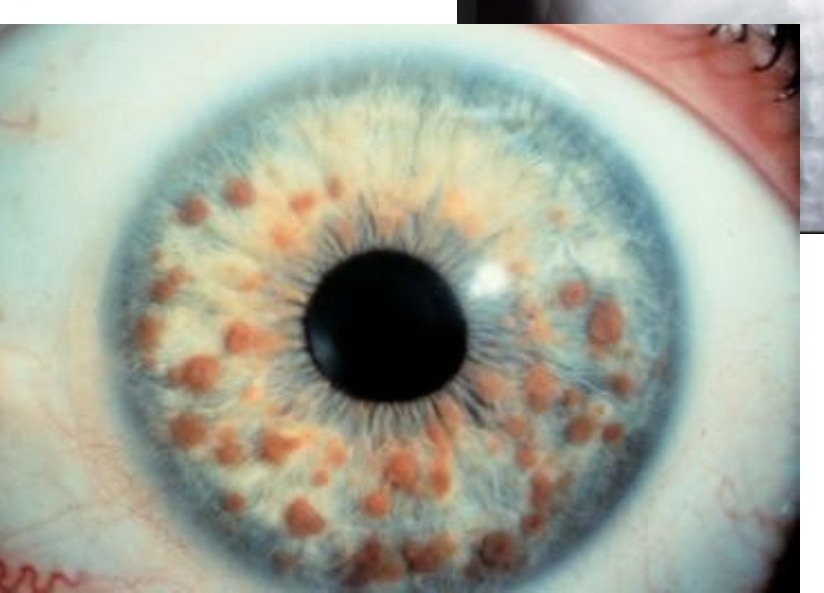
•Eye lesion 1 (Lisch nodule x 2 = iris harmatoma)
•Eye lesion 2 (Optic glioma)
•(Updated in 2021: + gene analysis of NF1 + more specific bone and eye diagnosis)
•Plexiform neurofibroma is pathognomonic for NF 1, in 4%, → neurofibrosarcoma
•Other orthopedic manifestation
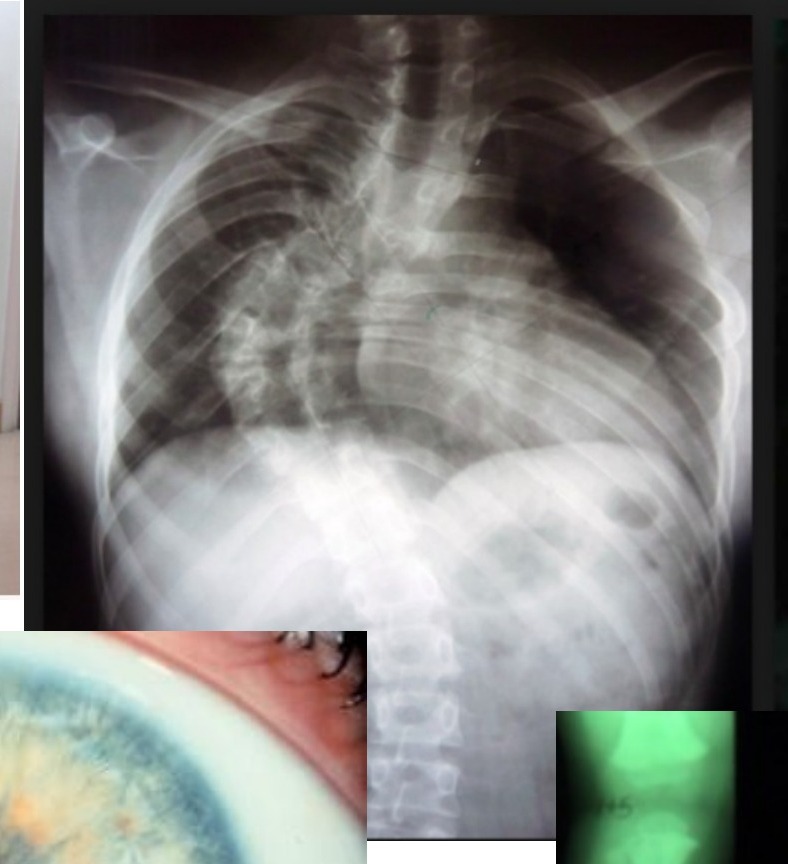
•Scoliosis (dystrophic / idiopathic-like form)
•Thoracic kyphoscoliosis with a short segmented and sharp curve with distorted ribs and vertebrae
•AP: Acute short segment curve, atypical level, penciling of ribs (>=3 poor prognosis because of rapid progression), TP spindling, hypoplastic pedicles
•Lat: posterior scalloping and wedging of VB, foramina ectasia
•Transverse: widened canal (increase interpedicular distance)
•**MRI: dumbbell lesion (neurofibroma on nerve root), dural ectasia (circumferential dilatation of dural sacs → destabilize spine), meningocele
•Brace no use, OT early (cobb >20) , Decompression, ASF & PSF with instrumentation
•2. Hemihypertrophy
•3. Atlantoaxial instability
•Inheritance
•AD (50%)/ sporadic (50%)
•100% penetrance
•NF1 gene on chromosome 17q21
•Abnormal coding of neurofibromin protein, Affecting RAS which affect osteoclast
•Difficulty with scoliosis surgery: (3 bone, 3 soft tissue + nonunion)
•Poor bone stock
•Significant deformity with kyphosis
•Small pedicles, high risk of nerve injury
•Higher rate of incidental durotomy (intraspinal abnormality)
•Bleeding due to extradural venous plexus
•Risk of rib dislocation during reduction causing nerve injury
•Poor healing, may need A+P (pseudoarthrosis PSF alone up to 40%, A+P 10%)
•Prognosis
•Normal life expectancy
•High chance of malignancy and hypertension
•Malignant transformation
•Elephantiasis (large mass with vollous skin)
•Plexiform NF “bag of worms”, filariasis
Clinical:
•Age: 36-50yo
•Sudden pain and increase in size, biopsy to rule out neurofibrosarcoma