FRCS Paediatric Ortho — improved notes
FRCS Paediatric Ortho — visual inline notes

076. Fibrodysplasia ossificans progressiva

visual-inline rebuild3 extracted figuresspeaker notes XML13 study lines1 Q&A

Individual slide images have been cropped from the rendered slide and inserted beside the matching note section. The full slide remains below only for layout/audit.

Clean FRCS notes with inline figures

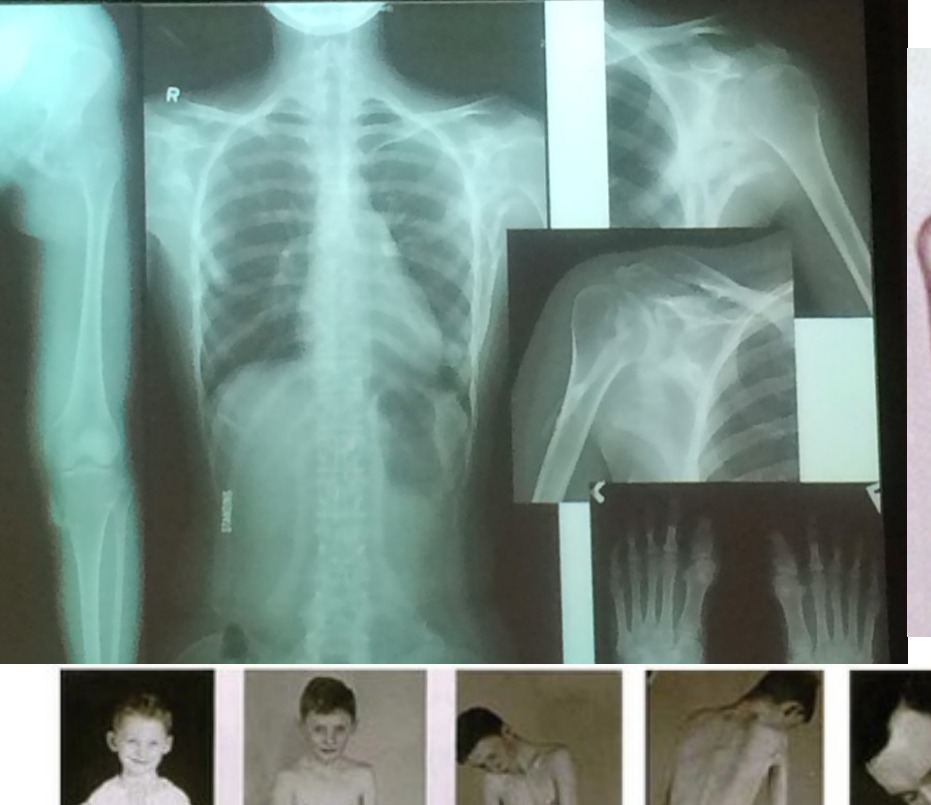
Fibrodysplasia ossificans progressiva is an extremely rare connective tissue disease
Radiograph / imaging
Fig 1. Radiograph / imagingtop left
Radiograph / imaging
Fig 2. Radiograph / imagingmiddle left
Radiograph / imaging
Fig 3. Radiograph / imagingtop centre
•Caused by mutation affecting body’s repair mechanism, causing fibrous tissue (muscles, tendons, ligaments) to be ossified spontaneously or when damaged
•Deformed big toe for unknown reason
•+ very stiff joints
•Median survival ~ 40
•No cure
•Most are spontaneous mutation
•Involves mutation of the ACVR1 gene (activin A type I receptor gene, a BMP type-1 receptor)
•AD allele on chromosome 2q23-24
•Variable expression, complete penetrance
•(Evelyn: wont appear in exam again)

Wiki:

•attempts to surgically remove bone in a FOP patient may result in explosive growth of new bone

Direct Q&A

Q1 What are the diagnostic findings and management points for Fibrodysplasia ossificans progressiva?

Fibrodysplasia ossificans progressiva is an extremely rare connective tissue disease
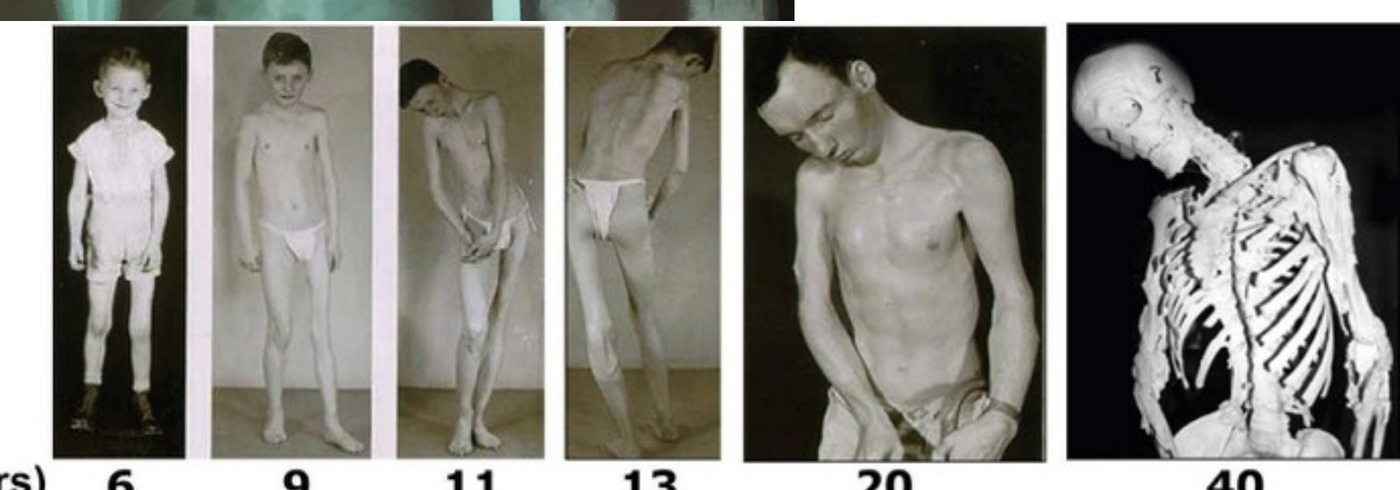
•Caused by mutation affecting body’s repair mechanism, causing fibrous tissue (muscles, tendons, ligaments) to be ossified spontaneously or when damaged
•Deformed big toe for unknown reason
•+ very stiff joints
•Median survival ~ 40
•No cure
•Most are spontaneous mutation
•Involves mutation of the ACVR1 gene (activin A type I receptor gene, a BMP type-1 receptor)
•AD allele on chromosome 2q23-24
•Variable expression, complete penetrance
•(Evelyn: wont appear in exam again)

Wiki:

•attempts to surgically remove bone in a FOP patient may result in explosive growth of new bone

Raw speaker-note hierarchy audit

#lvlmarLindentlogicaloriginal note line
10NoneNone0Fibrodysplasia ossificans progressiva is an extremely rare connective tissue disease
20NoneNone0Caused by mutation affecting body’s repair mechanism, causing fibrous tissue (muscles, tendons, ligaments) to be ossified spontaneously or when damaged
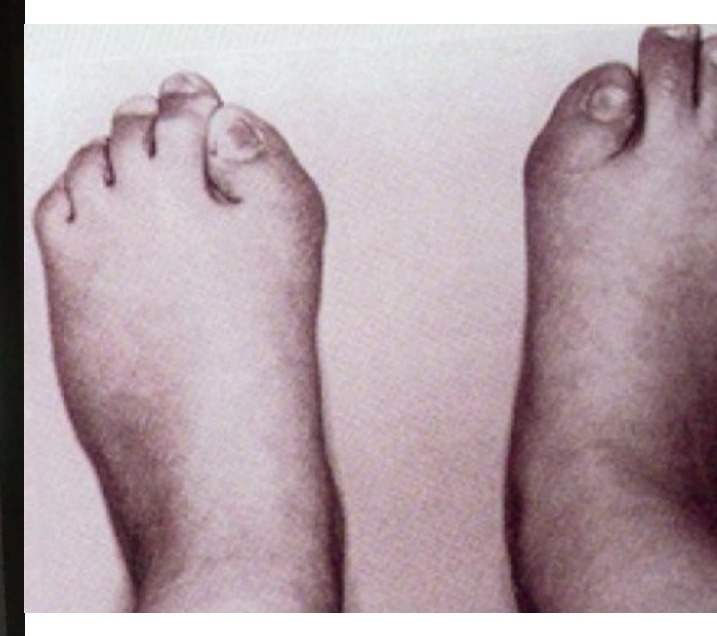
30NoneNone0Deformed big toe for unknown reason
40NoneNone0+ very stiff joints
50NoneNone0Median survival ~ 40
60NoneNone0No cure
70NoneNone0Most are spontaneous mutation
80NoneNone0Involves mutation of the ACVR1 gene (activin A type I receptor gene, a BMP type-1 receptor)
90NoneNone0AD allele on chromosome 2q23-24
100NoneNone0Variable expression, complete penetrance
110NoneNone0(Evelyn: wont appear in exam again)
120NoneNone0Wiki:
130000attempts to surgically remove bone in a FOP patient may result in explosive growth of new bone

Improved semantic hierarchy used for the study notes

#semantic levelsection?rewritten line
10Fibrodysplasia ossificans progressiva is an extremely rare connective tissue disease
21Caused by mutation affecting body’s repair mechanism, causing fibrous tissue (muscles, tendons, ligaments) to be ossified spontaneously or when damaged
31Deformed big toe for unknown reason
41+ very stiff joints
51Median survival ~ 40
61No cure
71Most are spontaneous mutation
81Involves mutation of the ACVR1 gene (activin A type I receptor gene, a BMP type-1 receptor)
91AD allele on chromosome 2q23-24
101Variable expression, complete penetrance
111(Evelyn: wont appear in exam again)
120yesWiki:
131attempts to surgically remove bone in a FOP patient may result in explosive growth of new bone