FRCS Paediatric Ortho — improved notes
FRCS Paediatric Ortho — visual inline notes

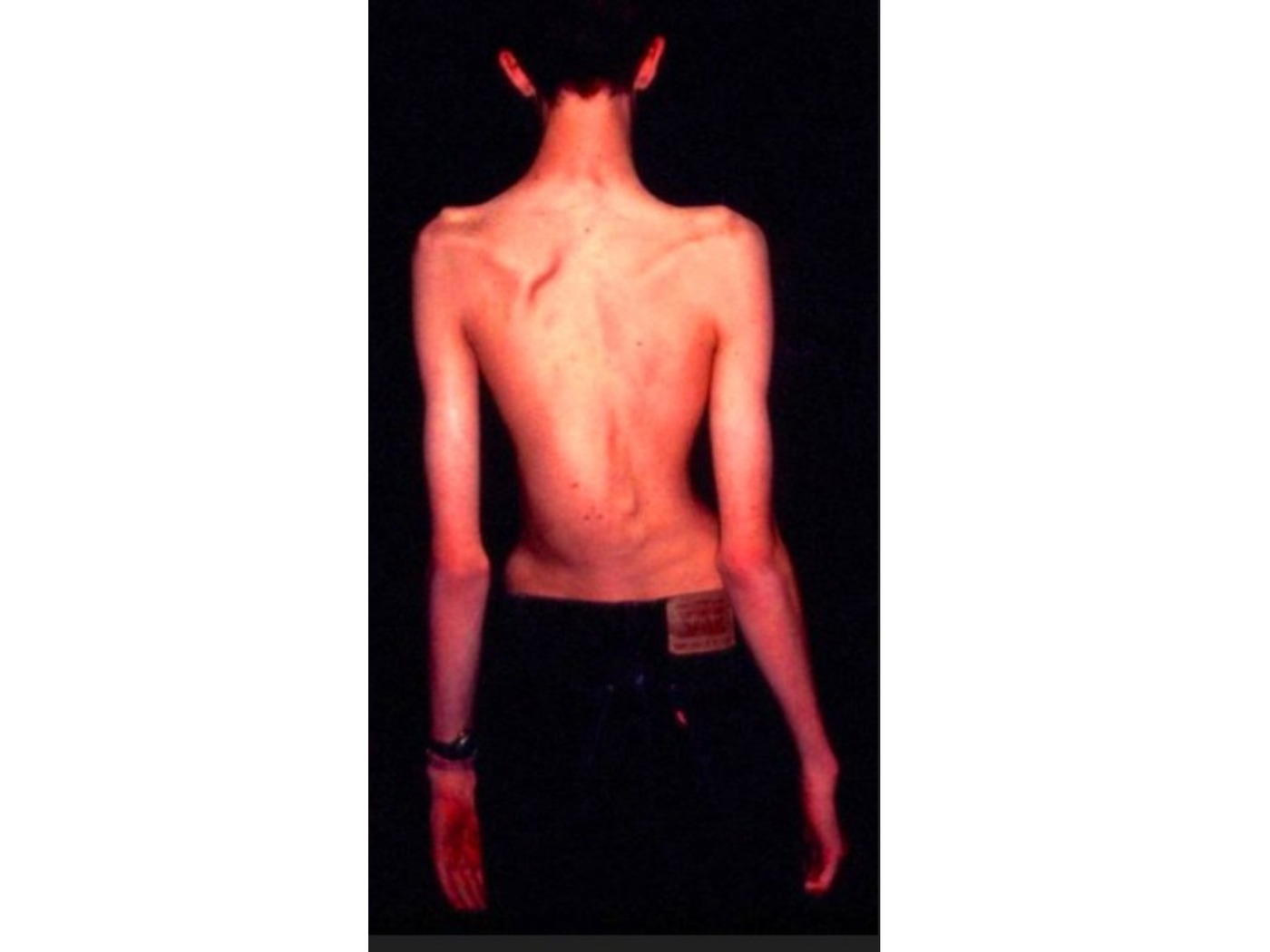
078. marfan

visual-inline rebuild1 extracted figuresspeaker notes XML64 study lines3 Q&A

Individual slide images have been cropped from the rendered slide and inserted beside the matching note section. The full slide remains below only for layout/audit.

Clean FRCS notes with inline figures

Marfan syndrome

•Tall stature, long narrow limbs
•Scoliosis
•Connective tissue disease
•Chr 15

Rubin classification: Physeal hyperplasia

Genetic:

•AD (fibrillin 1) – ECM glycoprotein for fibrinogenesis → abnormal mechanical and elastic properties of connective tissue
•30% sporadic mutation

Physical exam:

•Tall stature
•Dolichostenomelia: Arm span > height (>1.05)
•Arachynodactyly
•Steinberg sign (thumb sign): Tip of thumb extends beyond small finger when thumb clasped in palm under four fingers
•Walker sign (wrist sign): distal phalanges of thumb and little fingers overlap when wrapped around opposite wrist
•Ligamentous hyperlaxity (Beighton score)
•Scoliosis
•Pes planus
•High arched palate
•Dx by Ghent nosology
•FHX-
•Aortic root dilatation AND ectopia lentis
•Aortic root dilatation AND FBN1 gene
•Aortic root dilatation AND systemic score >=7 points
•Ectopia lentis AND FBN 1 gene associated with aortic dilatation
•Ecotpia lentis
•Aortic root dilatation
•Systemic score >=7 points
•Systemic (+ = >=7)
•Ortho
•Dolichostenomelia (tall + slender limb)
•Arachnodactyly
•Acetabular protrusio
•Ligamentous laxity (scoliosis, cervical instability, recurrent patella dislocation)
•Dural ectasia
•Non ortho
•Face: down slanting palpebral fissure, malar hypoplasia, retronagthia, enopthalmos, dolichocephaly
•Ocular abnormality (lens dislocation)
•Chest: carinatum, excavatum, pneumothorax
•Cardiac (valvular problem), aortic dissection, pneumothorax
•Skin striae

XR:

•Acetabular protrusion
•Scoliosis
•MRI: dural ectasia (>60%)

Management:

•Refer pediatrician (need monitoring of cardiac condition)

Scoliosis treatment generally worse response then AIS

•Mild: bracing

OT if rapidly progressing / large curve in adult:

Preop:

•Ectopia lentis → AACG
•Cardiac → MVP and aortic root dilatation
•Recurrent PTX
•MRI to rule out dural ectasia
•Intraop
•Construct need to span longer (prevent add-on phenomenon)

Difficult surgery (narrow pedicles)
Operative / approach image
Fig 1. Operative / approach imagetop left

Higher complication (durotomy)

•Postop
•Add on curves
•Fixation failure (due to thin laminae, thin pedicles and osteopenia)
•Higher risk of infection
•Pseudoarthrosis

Direct Q&A

Q1 What are the radiographic findings for marfan?

Acetabular protrusion

•Scoliosis
•MRI: dural ectasia (>60%)
Q2 How is marfan managed?

Refer pediatrician (need monitoring of cardiac condition)

Q3 What complications are listed for marfan?

Postop

•Add on curves
•Fixation failure (due to thin laminae, thin pedicles and osteopenia)
•Higher risk of infection
•Pseudoarthrosis

Raw speaker-note hierarchy audit

#lvlmarLindentlogicaloriginal note line
10NoneNone0Marfan syndrome
20NoneNone0Tall stature, long narrow limbs
30NoneNone0Scoliosis
40000Connective tissue disease
50000Chr 15
60000Rubin classification: Physeal hyperplasia
70000Genetic:
80171450-1714501AD (fibrillin 1) – ECM glycoprotein for fibrinogenesis → abnormal mechanical and elastic properties of connective tissue
90171450-171450130% sporadic mutation
100000Physical exam:
110171450-1714501Tall stature
120171450-1714501Dolichostenomelia: Arm span > height (>1.05)
130171450-1714501Arachynodactyly
141628650-1714502Steinberg sign (thumb sign): Tip of thumb extends beyond small finger when thumb clasped in palm under four fingers
151628650-1714502Walker sign (wrist sign): distal phalanges of thumb and little fingers overlap when wrapped around opposite wrist
160171450-1714501Ligamentous hyperlaxity (Beighton score)
170171450-1714501Scoliosis
180171450-1714501Pes planus
190171450-1714501High arched palate
200000Dx by Ghent nosology
210000FHX-
220171450-1714501Aortic root dilatation AND ectopia lentis
230171450-1714501Aortic root dilatation AND FBN1 gene
240171450-1714501Aortic root dilatation AND systemic score >=7 points
250171450-1714501Ectopia lentis AND FBN 1 gene associated with aortic dilatation
260000FHx+
270171450-1714501Ecotpia lentis
280171450-1714501Aortic root dilatation
290171450-1714501Systemic score >=7 points
300171450-1714501Systemic (+ = >=7)
311628650-1714502Ortho
3221085850-1714503Dolichostenomelia (tall + slender limb)
3321085850-1714503Arachnodactyly
3421085850-1714503Acetabular protrusio
3521085850-1714503Ligamentous laxity (scoliosis, cervical instability, recurrent patella dislocation)
3621085850-1714503Dural ectasia
371628650-1714502Non ortho
3821085850-1714503Face: down slanting palpebral fissure, malar hypoplasia, retronagthia, enopthalmos, dolichocephaly
3921085850-1714503Ocular abnormality (lens dislocation)
4021085850-1714503Chest: carinatum, excavatum, pneumothorax
4121085850-1714503Cardiac (valvular problem), aortic dissection, pneumothorax
4221085850-1714503Skin striae
430000XR:
44145720001Acetabular protrusion
45145720001Scoliosis
460000MRI: dural ectasia (>60%)
470000Management:
480171450-1714501Refer pediatrician (need monitoring of cardiac condition)
490171450-1714501Scoliosis treatment generally worse response then AIS
501628650-1714502Mild: bracing
511628650-1714502OT if rapidly progressing / large curve in adult:
5221085850-1714503Preop:
5331543050-1714504Ectopia lentis → AACG
5431543050-1714504Cardiac → MVP and aortic root dilatation
5531543050-1714504Recurrent PTX
5631543050-1714504MRI to rule out dural ectasia
5721085850-1714503Intraop
5831543050-1714504Construct need to span longer (prevent add-on phenomenon)
5931543050-1714504Difficult surgery (narrow pedicles)
6031543050-1714504Higher complication (durotomy)
6121085850-1714503Postop
6231543050-1714504Add on curves
6331543050-1714504Fixation failure (due to thin laminae, thin pedicles and osteopenia)
6431543050-1714504Higher risk of infection
6531543050-1714504Pseudoarthrosis

Improved semantic hierarchy used for the study notes

#semantic levelsection?rewritten line
10Marfan syndrome
21Tall stature, long narrow limbs
31Scoliosis
41Connective tissue disease
51Chr 15
60yesRubin classification: Physeal hyperplasia
70yesGenetic:
81AD (fibrillin 1) – ECM glycoprotein for fibrinogenesis → abnormal mechanical and elastic properties of connective tissue
9130% sporadic mutation
100yesPhysical exam:
111Tall stature
121Dolichostenomelia: Arm span > height (>1.05)
131Arachynodactyly
142Steinberg sign (thumb sign): Tip of thumb extends beyond small finger when thumb clasped in palm under four fingers
152Walker sign (wrist sign): distal phalanges of thumb and little fingers overlap when wrapped around opposite wrist
161Ligamentous hyperlaxity (Beighton score)
171Scoliosis
181Pes planus
191High arched palate
201Dx by Ghent nosology
211FHX-
221Aortic root dilatation AND ectopia lentis
231Aortic root dilatation AND FBN1 gene
241Aortic root dilatation AND systemic score >=7 points
251Ectopia lentis AND FBN 1 gene associated with aortic dilatation
261Ecotpia lentis
271Aortic root dilatation
281Systemic score >=7 points
291Systemic (+ = >=7)
302Ortho
313Dolichostenomelia (tall + slender limb)
323Arachnodactyly
333Acetabular protrusio
343Ligamentous laxity (scoliosis, cervical instability, recurrent patella dislocation)
353Dural ectasia
362Non ortho
373Face: down slanting palpebral fissure, malar hypoplasia, retronagthia, enopthalmos, dolichocephaly
383Ocular abnormality (lens dislocation)
393Chest: carinatum, excavatum, pneumothorax
403Cardiac (valvular problem), aortic dissection, pneumothorax
413Skin striae
420yesXR:
431Acetabular protrusion
441Scoliosis
451MRI: dural ectasia (>60%)
460yesManagement:
471Refer pediatrician (need monitoring of cardiac condition)
480yesScoliosis treatment generally worse response then AIS
492Mild: bracing
502yesOT if rapidly progressing / large curve in adult:
512yesPreop:
524Ectopia lentis → AACG
534Cardiac → MVP and aortic root dilatation
544Recurrent PTX
554MRI to rule out dural ectasia
563Intraop
574Construct need to span longer (prevent add-on phenomenon)
582yesDifficult surgery (narrow pedicles)
592yesHigher complication (durotomy)
603Postop
614Add on curves
624Fixation failure (due to thin laminae, thin pedicles and osteopenia)
634Higher risk of infection
644Pseudoarthrosis