FRCS Paediatric Ortho — improved notes
FRCS Paediatric Ortho — visual inline notes

103. Crouch gait

visual-inline rebuild2 extracted figuresspeaker notes XML38 study lines2 Q&A

Individual slide images have been cropped from the rendered slide and inserted beside the matching note section. The full slide remains below only for layout/audit.

Clean FRCS notes with inline figures

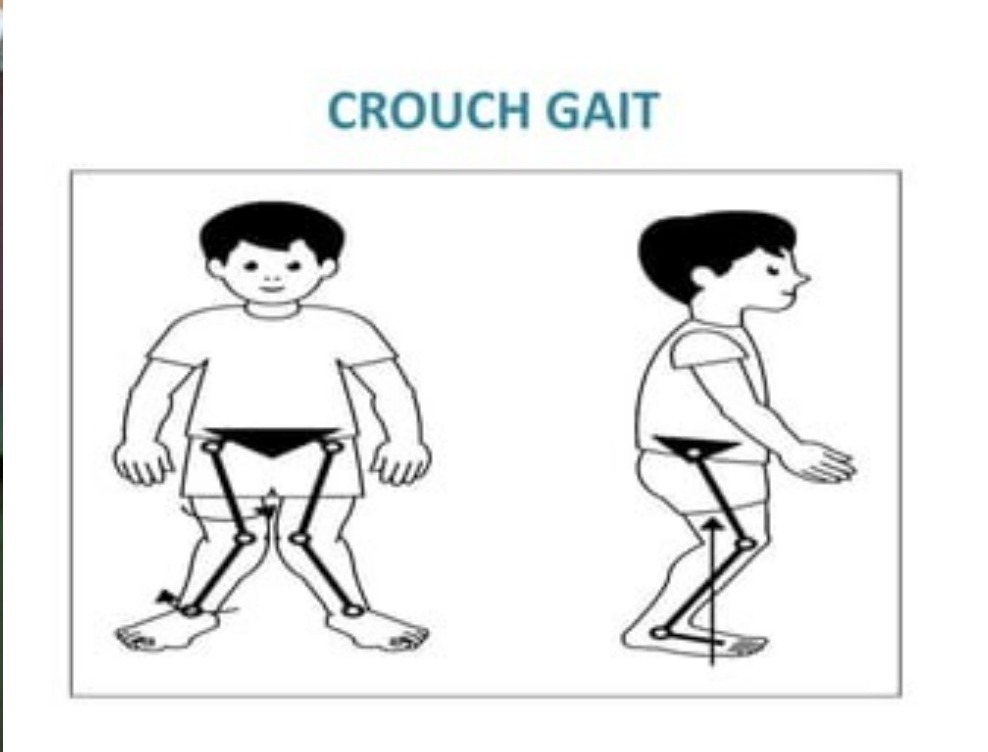
Crouch gait
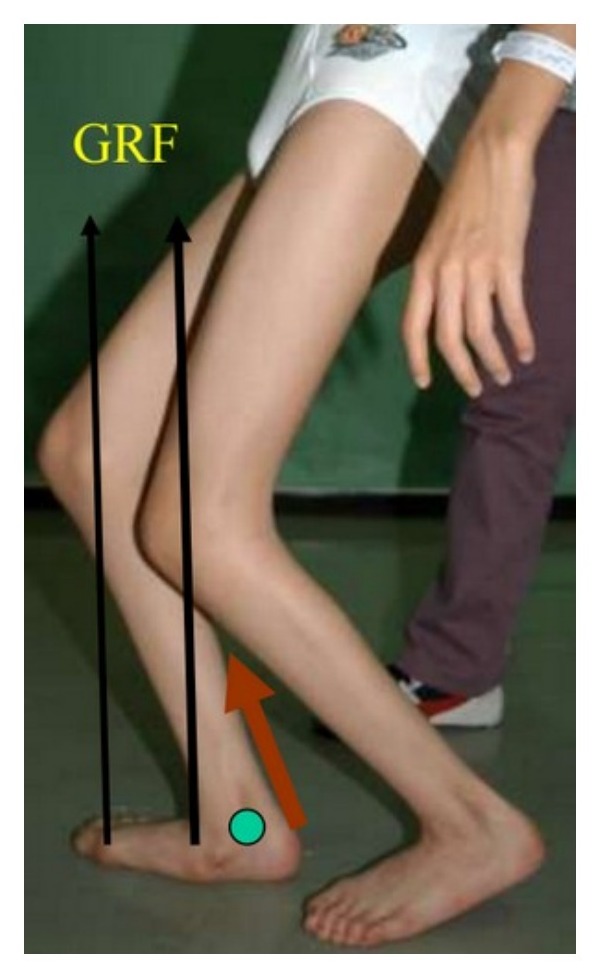
Clinical photograph
Fig 1. Clinical photographtop left
Classification / diagram
Fig 2. Classification / diagramtop centre
•Midstance gait problem
•Excess ankle dorsiflexion, knee flexion, hip flexion
•GRF falls behind knee center
•Failed PF/KE coupling
•Leading to persistent quadriceps contraction and fail screw-home mechanism of knee
•Overall increase energy expenditure, short stride length
•Causes
•1. Weakness (triceps surae, quads)
•2. Spasticity (hamstring, iliopsoas)
•3. Joint contracture (knee joint flexion contracture)
•4. Lever arm dysfunction (increase femoral anteversion, increase tibial torsion, collapse tripod)
•Brief summary
•Weak gastrosoleus / excessive ankle dorsiflexion → unable to have KE/APF couple → GRF falls posterior to knee → knee flexion moment

Management

•Muscle weakness
•Gastroc: Avoid iatrogenic excessive gastrosoleus release/ recession. GRAFO
•Quads: hamstring transfer
•Spasticity
•Hamstring lengthening
•Sequelae: weak HE + ant pelvic tilt

Tech:

•SemiM + gracilis fractional lengthening +/- bicep femoris in severe cases
•Semi T to adductor tubercle transfer (biarticular to mono articular → prevent hip extension and decrease anterior pelvic tilt)
•Psoas
•Release at pelvic brim or LT
•Joint contracture
•Extension osteotomy
•Hip, tibia or Foot lever arm dysfunction → recon
•GRAFO (Posterior entry)
•Indication: For crouch gait with weak gastrocnemius and quadriceps with failure of knee extension-ankle plantar flexion couple
•Static, accommodative type of orthosis made of high temp thermoforming plastic, covered from level of mid patella to MT
•Utilizes Newton’s third law to alter the GRF by controlling the distal joints to alter the proximal joint
•Prevent excessive tibial anterior translation during ankle rocker with a rigid anterior tibial shell
•Prevent excessive DF of the ankle with a toe plate and riding ankle in neutral position
•Keep GRF anterior to knee joint by creating an extension moment at the knee
•Help to stabilize the knee and decreased quad workload to extend the knee
•Contraindicated in crouch gait due to high tone / knee FFC

Direct Q&A

Q1 What diagnostic or radiographic findings support Crouch gait?

Crouch gait

•Midstance gait problem
•Excess ankle dorsiflexion, knee flexion, hip flexion
•GRF falls behind knee center
•Failed PF/KE coupling
•Leading to persistent quadriceps contraction and fail screw-home mechanism of knee
•Overall increase energy expenditure, short stride length
•Causes
•1. Weakness (triceps surae, quads)
•2. Spasticity (hamstring, iliopsoas)
Q2 How is Crouch gait managed?
•Muscle weakness
•Gastroc: Avoid iatrogenic excessive gastrosoleus release/ recession. GRAFO
•Quads: hamstring transfer
•Spasticity
•Hamstring lengthening
•Sequelae: weak HE + ant pelvic tilt

Tech:

•SemiM + gracilis fractional lengthening +/- bicep femoris in severe cases
•Semi T to adductor tubercle transfer (biarticular to mono articular → prevent hip extension and decrease anterior pelvic tilt)
•Psoas
•Release at pelvic brim or LT
•Joint contracture
•Extension osteotomy
•Hip, tibia or Foot lever arm dysfunction → recon
•GRAFO (Posterior entry)
•Indication: For crouch gait with weak gastrocnemius and quadriceps with failure of knee extension-ankle plantar flexion couple
•Static, accommodative type of orthosis made of high temp thermoforming plastic, covered from level of mid patella to MT
•Utilizes Newton’s third law to alter the GRF by controlling the distal joints to alter the proximal joint
•Prevent excessive tibial anterior translation during ankle rocker with a rigid anterior tibial shell
•Prevent excessive DF of the ankle with a toe plate and riding ankle in neutral position
•Keep GRF anterior to knee joint by creating an extension moment at the knee
•Help to stabilize the knee and decreased quad workload to extend the knee
•Contraindicated in crouch gait due to high tone / knee FFC

Raw speaker-note hierarchy audit

#lvlmarLindentlogicaloriginal note line
10NoneNone0Crouch gait
20NoneNone0Midstance gait problem
30171450-1714501Excess ankle dorsiflexion, knee flexion, hip flexion
40171450-1714501GRF falls behind knee center
50171450-1714501Failed PF/KE coupling
60171450-1714501Leading to persistent quadriceps contraction and fail screw-home mechanism of knee
70171450-1714501Overall increase energy expenditure, short stride length
80000Causes
900001. Weakness (triceps surae, quads)
1000002. Spasticity (hamstring, iliopsoas)
1100003. Joint contracture (knee joint flexion contracture)
1200004. Lever arm dysfunction (increase femoral anteversion, increase tibial torsion, collapse tripod)
130000Brief summary
140000Weak gastrosoleus / excessive ankle dorsiflexion → unable to have KE/APF couple → GRF falls posterior to knee → knee flexion moment
150000Mx
160228600-2286001Muscle weakness
171685800-2286002Gastroc: Avoid iatrogenic excessive gastrosoleus release/ recession. GRAFO
181685800-2286002Quads: hamstring transfer
190228600-2286001Spasticity
201685800-2286002Hamstring lengthening
2121143000-2286003Sequelae: weak HE + ant pelvic tilt
2221143000-2286003Tech:
2331543050-1714504SemiM + gracilis fractional lengthening +/- bicep femoris in severe cases
2431543050-1714504Semi T to adductor tubercle transfer (biarticular to mono articular → prevent hip extension and decrease anterior pelvic tilt)
251628650-1714502Psoas
2621085850-1714503Release at pelvic brim or LT
270228600-2286001Joint contracture
281628650-1714502Extension osteotomy
290228600-2286001Hip, tibia or Foot lever arm dysfunction → recon
300NoneNone0GRAFO (Posterior entry)
310171450-1714501Indication: For crouch gait with weak gastrocnemius and quadriceps with failure of knee extension-ankle plantar flexion couple
320171450-1714501Static, accommodative type of orthosis made of high temp thermoforming plastic, covered from level of mid patella to MT
330171450-1714501Utilizes Newton’s third law to alter the GRF by controlling the distal joints to alter the proximal joint
341685800-2286002Prevent excessive tibial anterior translation during ankle rocker with a rigid anterior tibial shell
351685800-2286002Prevent excessive DF of the ankle with a toe plate and riding ankle in neutral position
361628650-1714502Keep GRF anterior to knee joint by creating an extension moment at the knee
371628650-1714502Help to stabilize the knee and decreased quad workload to extend the knee
380171450-1714501Contraindicated in crouch gait due to high tone / knee FFC

Improved semantic hierarchy used for the study notes

#semantic levelsection?rewritten line
10Crouch gait
21Midstance gait problem
31Excess ankle dorsiflexion, knee flexion, hip flexion
41GRF falls behind knee center
51Failed PF/KE coupling
61Leading to persistent quadriceps contraction and fail screw-home mechanism of knee
71Overall increase energy expenditure, short stride length
81Causes
911. Weakness (triceps surae, quads)
1012. Spasticity (hamstring, iliopsoas)
1113. Joint contracture (knee joint flexion contracture)
1214. Lever arm dysfunction (increase femoral anteversion, increase tibial torsion, collapse tripod)
131Brief summary
141Weak gastrosoleus / excessive ankle dorsiflexion → unable to have KE/APF couple → GRF falls posterior to knee → knee flexion moment
150yesManagement
161Muscle weakness
172Gastroc: Avoid iatrogenic excessive gastrosoleus release/ recession. GRAFO
182Quads: hamstring transfer
191Spasticity
202Hamstring lengthening
213Sequelae: weak HE + ant pelvic tilt
222yesTech:
234SemiM + gracilis fractional lengthening +/- bicep femoris in severe cases
244Semi T to adductor tubercle transfer (biarticular to mono articular → prevent hip extension and decrease anterior pelvic tilt)
252Psoas
263Release at pelvic brim or LT
271Joint contracture
282Extension osteotomy
291Hip, tibia or Foot lever arm dysfunction → recon
300GRAFO (Posterior entry)
311Indication: For crouch gait with weak gastrocnemius and quadriceps with failure of knee extension-ankle plantar flexion couple
321Static, accommodative type of orthosis made of high temp thermoforming plastic, covered from level of mid patella to MT
331Utilizes Newton’s third law to alter the GRF by controlling the distal joints to alter the proximal joint
342Prevent excessive tibial anterior translation during ankle rocker with a rigid anterior tibial shell
352Prevent excessive DF of the ankle with a toe plate and riding ankle in neutral position
362Keep GRF anterior to knee joint by creating an extension moment at the knee
372Help to stabilize the knee and decreased quad workload to extend the knee
381Contraindicated in crouch gait due to high tone / knee FFC