FRCS Paediatric Ortho — improved notes
FRCS Paediatric Ortho — visual inline notes

109. Duchenne muscular dystrophy DMD

visual-inline rebuild3 extracted figuresspeaker notes XML39 study lines4 Q&A

Individual slide images have been cropped from the rendered slide and inserted beside the matching note section. The full slide remains below only for layout/audit.

Clean FRCS notes with inline figures

Duchenne muscular dystrophy DMD

Type / groupDefinition / note
Xlinked recessive – Xp21.2 dystrophin gene
•Disorder of worsening neuromuscular dysfunction characterized by progressive muscle weakness, scoliosis, cardiomyopathy, pulmonary dysfunction
•Caused by absent cytoskeletal dystrophin protein. Dystrophin provides structural stability to the dystroglycan complex of the muscle cell membrane

History

•FHx
•Progressive weakness affecting proximal muscle first (gluteus muscle wasting)
•Gait abnormalities (delayed walking, toe walking, waddling gait, difficulty climbing stairs, hopping or jumping)

Examination
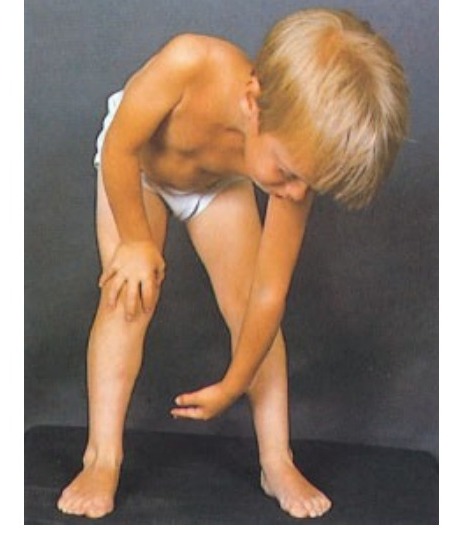
Clinical photograph
Fig 1. Clinical photographtop centre
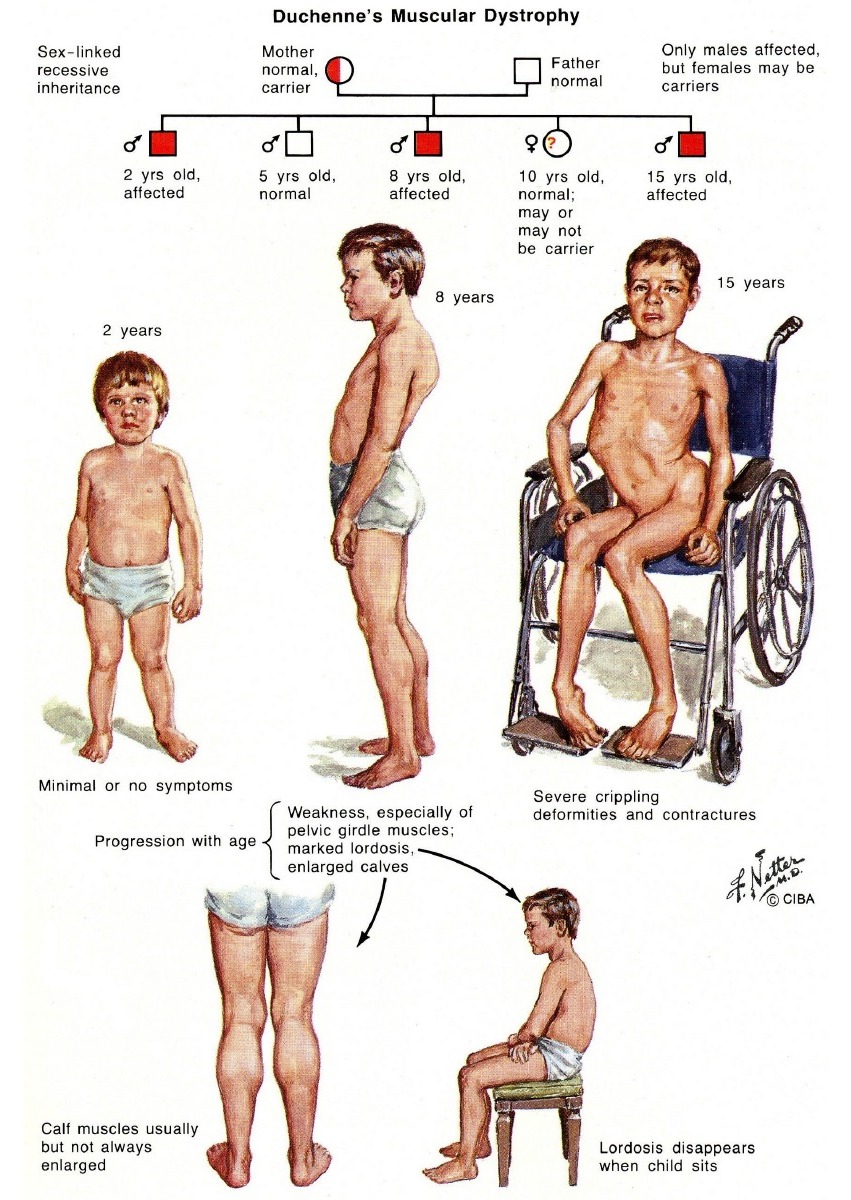
Clinical photograph
Fig 2. Clinical photographtop left
•Calf pseudohypertrophy
•Gower, scarf and Meryon signs (hypotonia), tiptoeing
•Scoliosis not respond to brace, hyperlordosis to compensate for hip FFC
•Equinovarus foot
•Joint contractures (hip FABER, knee FFC)
•Check deep tendon reflexes (present in DMD, absent in SMA)

Investigations
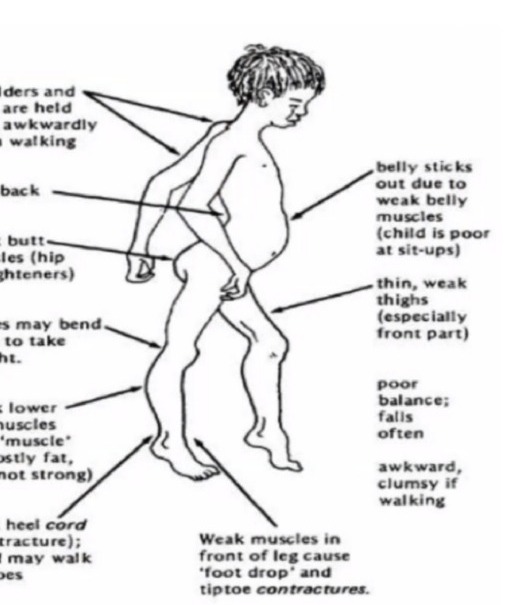
Radiograph / imaging
Fig 3. Radiograph / imagingmiddle left
•CPK elevated
•EMG NCV
•Gold standard dx: muscle biopsy: absent dystrophin
•Echo for cardiomyopathy

Management

Aim: keep patient ambulatory as long as possible

Natural history:

•Wheelchair bound at 10y.o.
•Death at 20y.o (resp difficulty)
•Nonop – Steroid 0.75mg/kg/day
•Acutely improves strength, slows progressive weakening, prevents scoliosis formation and prolongs ambulation
•Delays deterioration of pulmonary function
•Op
•Soft tissue releases to prolong ambulation
•Hip containment NOT beneficial
•Scoliosis surgery (progresses 1-2 degrees per month starting at age 8 to 10 years) – indications: cobb >30 FVC <30%. Need spinopelvic fusion
•Malignant hyperthermia is common intraop

•SMA Spinal muscular atrophy
•SMN1 gene
•Absent reflexes
•Earlier onset
•No pseudohypertrophy

Direct Q&A

Q1 What history should be elicited for Duchenne muscular dystrophy DMD?

FHx

•Progressive weakness affecting proximal muscle first (gluteus muscle wasting)
•Gait abnormalities (delayed walking, toe walking, waddling gait, difficulty climbing stairs, hopping or jumping)
Q2 What examination findings should be assessed in Duchenne muscular dystrophy DMD?

Calf pseudohypertrophy

•Gower, scarf and Meryon signs (hypotonia), tiptoeing
•Scoliosis not respond to brace, hyperlordosis to compensate for hip FFC
•Equinovarus foot
•Joint contractures (hip FABER, knee FFC)
•Check deep tendon reflexes (present in DMD, absent in SMA)
Q3 What investigations are listed for Duchenne muscular dystrophy DMD?

CPK elevated

•EMG NCV
•Gold standard dx: muscle biopsy: absent dystrophin
•Echo for cardiomyopathy
Q4 What natural history is described for Duchenne muscular dystrophy DMD?
•Wheelchair bound at 10y.o.
•Death at 20y.o (resp difficulty)
•Nonop – Steroid 0.75mg/kg/day
•Acutely improves strength, slows progressive weakening, prevents scoliosis formation and prolongs ambulation
•Delays deterioration of pulmonary function
•Op
•Soft tissue releases to prolong ambulation
•Hip containment NOT beneficial
•Scoliosis surgery (progresses 1-2 degrees per month starting at age 8 to 10 years) – indications: cobb >30 FVC <30%. Need spinopelvic fusion
•Malignant hyperthermia is common intraop

Raw speaker-note hierarchy audit

#lvlmarLindentlogicaloriginal note line
10NoneNone0Duchenne muscular dystrophy DMD
20000X-linked recessive – Xp21.2 dystrophin gene
30NoneNone0Disorder of worsening neuromuscular dysfunction characterized by progressive muscle weakness, scoliosis, cardiomyopathy, pulmonary dysfunction
40NoneNone0Caused by absent cytoskeletal dystrophin protein. Dystrophin provides structural stability to the dystroglycan complex of the muscle cell membrane
50000Hx:
60000FHx
70000Progressive weakness affecting proximal muscle first (gluteus muscle wasting)
80000Gait abnormalities (delayed walking, toe walking, waddling gait, difficulty climbing stairs, hopping or jumping)
90000PE:
100171450-1714501Calf pseudohypertrophy
110171450-1714501Gower, scarf and Meryon signs (hypotonia), tiptoeing
120171450-1714501Scoliosis not respond to brace, hyperlordosis to compensate for hip FFC
130171450-1714501Equinovarus foot
140171450-1714501Joint contractures (hip FABER, knee FFC)
150171450-1714501Check deep tendon reflexes (present in DMD, absent in SMA)
160000Ix:
170171450-1714501CPK elevated
180171450-1714501EMG NCV
190171450-1714501Gold standard dx: muscle biopsy: absent dystrophin
200171450-1714501Echo for cardiomyopathy
210NoneNone0Mx:
220NoneNone0Aim: keep patient ambulatory as long as possible
230000Natural history:
240000Wheelchair bound at 10y.o.
250NoneNone0Death at 20y.o (resp difficulty)
260NoneNone0Nonop – Steroid 0.75mg/kg/day
270171450-1714501Acutely improves strength, slows progressive weakening, prevents scoliosis formation and prolongs ambulation
280171450-1714501Delays deterioration of pulmonary function
290000Op
300171450-1714501Soft tissue releases to prolong ambulation
310171450-1714501Hip containment NOT beneficial
320171450-1714501Scoliosis surgery (progresses 1-2 degrees per month starting at age 8 to 10 years) – indications: cobb >30 FVC <30%. Need spinopelvic fusion
330171450-1714501Malignant hyperthermia is common intraop
340NoneNone0=============
350NoneNone0SMA Spinal muscular atrophy
360NoneNone0SMN1 gene
370171450-1714501Absent reflexes
380171450-1714501Earlier onset
390171450-1714501No pseudohypertrophy

Improved semantic hierarchy used for the study notes

#semantic levelsection?rewritten line
10Duchenne muscular dystrophy DMD
21X-linked recessive – Xp21.2 dystrophin gene
31Disorder of worsening neuromuscular dysfunction characterized by progressive muscle weakness, scoliosis, cardiomyopathy, pulmonary dysfunction
41Caused by absent cytoskeletal dystrophin protein. Dystrophin provides structural stability to the dystroglycan complex of the muscle cell membrane
50yesHistory
61FHx
71Progressive weakness affecting proximal muscle first (gluteus muscle wasting)
81Gait abnormalities (delayed walking, toe walking, waddling gait, difficulty climbing stairs, hopping or jumping)
90yesExamination
101Calf pseudohypertrophy
111Gower, scarf and Meryon signs (hypotonia), tiptoeing
121Scoliosis not respond to brace, hyperlordosis to compensate for hip FFC
131Equinovarus foot
141Joint contractures (hip FABER, knee FFC)
151Check deep tendon reflexes (present in DMD, absent in SMA)
160yesInvestigations
171CPK elevated
181EMG NCV
191Gold standard dx: muscle biopsy: absent dystrophin
201Echo for cardiomyopathy
210yesManagement
220yesAim: keep patient ambulatory as long as possible
230yesNatural history:
241Wheelchair bound at 10y.o.
251Death at 20y.o (resp difficulty)
261Nonop – Steroid 0.75mg/kg/day
271Acutely improves strength, slows progressive weakening, prevents scoliosis formation and prolongs ambulation
281Delays deterioration of pulmonary function
291Op
301Soft tissue releases to prolong ambulation
311Hip containment NOT beneficial
321Scoliosis surgery (progresses 1-2 degrees per month starting at age 8 to 10 years) – indications: cobb >30 FVC <30%. Need spinopelvic fusion
331Malignant hyperthermia is common intraop
340——
351SMA Spinal muscular atrophy
361SMN1 gene
371Absent reflexes
381Earlier onset
391No pseudohypertrophy