FRCS Paediatric Ortho — improved notes
FRCS Paediatric Ortho — visual inline notes

111. Obstetric brachial plexus palsy / Erb palsy

visual-inline rebuild1 extracted figuresspeaker notes XML59 study lines3 Q&A

Individual slide images have been cropped from the rendered slide and inserted beside the matching note section. The full slide remains below only for layout/audit.

Clean FRCS notes with inline figures

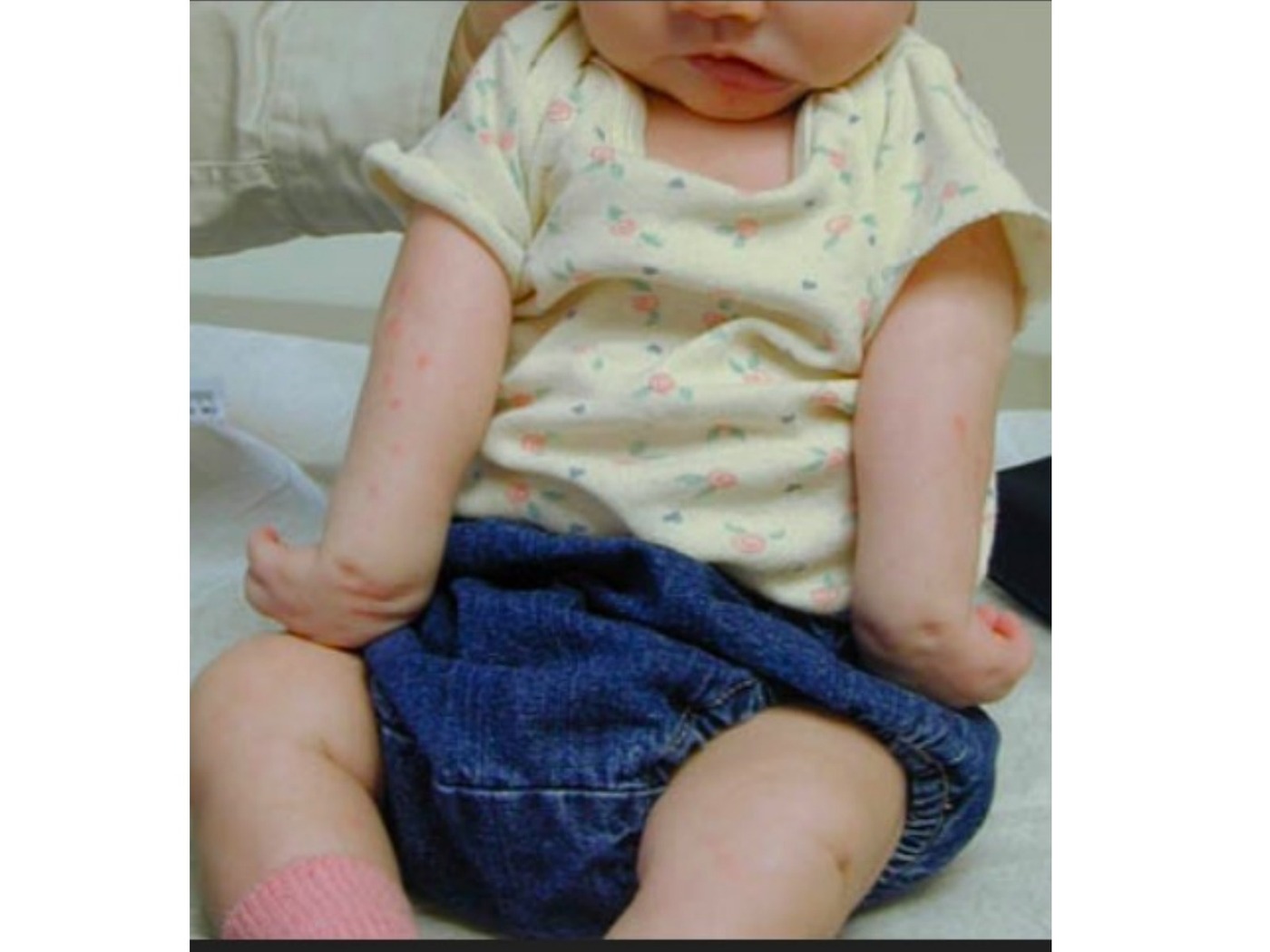
Clinical photograph

•UL abnormal posture
•Shoulder adducted, IR
•Elbow extended
•Wrist flexed
•Forearm pronated
•Fingers flexed
•Thumb (not seen here) adducted
•Typical of Erb’s palsy
•Primitive reflex
•Moro: Shoulder abduction
•Asymmetrical tonic neck reflex (ATR): elbow flexion and extension
•Grasp reflex: finger flexion
•Go back to patient and identify risk factors: high BW, breech presentation, shoulder dystocia, forceps delivery
•Classification by Narakas (C5,6 / C5,6,7 / C5-T1 / C5-T1 + Horners)
•Use Mallet score to monitor progress (1 active abduction, 2external rotation, 3 hand to head , 4 hand to back, 5 hand to mouth)
•MRI to look for (pseudo-)meningocele

Treatment:

•Daily stretching to maintain good ROM
•If no antigravity biceps function return by 2 months (max 3 mth) → OT

Natural history

•Gilbert Alain 1995 hands clinic
•Complete recovery if biceps and deltoid begin to contract at 1m and real contraction by 2m
•Good shoulder if begin at 3m and complete at 5m
•Bad shoulder if begin after 3m

Primary reconstruction:

•Root avulsion: nerve transfer (= neurotization)
•Lower lesion: nerve repair or nerve graft

Secondary reconstruction:

•Posterior dislocation
•Soft tissue: capsulorrhaphy
Operative / approach image
Fig 1. Operative / approach imagetop left
•Bony: humerus derotation osteotomy

IR:

•Soft tissue: subscapularis release, Muscle transfer (LD and teres major to GT)

•Obstetric brachial plexus injury
•In general 90% spontaneous resolve

Favorable prognostic factors:

•Erb’s palsy
•+ve twitching (M1) over bicep and deltoid at 2mth old

Unfavorable factors:

•M0 at 3mth old
•Preganglionic injuries (Horner, involvement of dorsal scapular and phrenic nerve)
•Lower nerve root involvement (C5-7, klumpke)
•Injury to upper trunk C56 results from excessive abduction of head away from shoulder, producing traction on plexus
•Associated condition: glenoid retroversion + flattened and posteriorly subluxed humeral head (due to persistent shoulder IR), elbow contracture
•C5 deficiency
•Axillary nerve deficiency (deltoid, teres minor)
•Suprascapular nerve deficiency (supraspinatus, infraspinatus)
•Musculocutaneous nerve deficiency (biceps)
•C6 deficiency
•Radial nerve deficiency (brachioradialis, supinator)
•Sensation loss over lateral aspect of arm and forearm
•Klumpke
•Lower trunk C8/T1 injury
•Difficult births, falls onto the outstretched arm
•Intrinsic minus
•Weak wrist and finger flexion
•Sensation loss over medial aspect of hand and forearm

Direct Q&A

Q1 What clinical signs are shown for Obstetric brachial plexus palsy / Erb palsy?

UL abnormal posture

•Shoulder adducted, IR
•Elbow extended
•Wrist flexed
•Forearm pronated
•Fingers flexed
•Thumb (not seen here) adducted
•Typical of Erb’s palsy
•Primitive reflex
•Moro: Shoulder abduction
•Asymmetrical tonic neck reflex (ATR): elbow flexion and extension
•Grasp reflex: finger flexion
•Go back to patient and identify risk factors: high BW, breech presentation, shoulder dystocia, forceps delivery
•Classification by Narakas (C5,6 / C5,6,7 / C5-T1 / C5-T1 + Horners)
•Use Mallet score to monitor progress (1 active abduction, 2external rotation, 3 hand to head , 4 hand to back, 5 hand to mouth)
•MRI to look for (pseudo-)meningocele
Q2 How is Obstetric brachial plexus palsy / Erb palsy managed?

Daily stretching to maintain good ROM

•If no antigravity biceps function return by 2 months (max 3 mth) → OT
Q3 What natural history is described for Obstetric brachial plexus palsy / Erb palsy?

Gilbert Alain 1995 hands clinic

•Complete recovery if biceps and deltoid begin to contract at 1m and real contraction by 2m
•Good shoulder if begin at 3m and complete at 5m
•Bad shoulder if begin after 3m

Raw speaker-note hierarchy audit

#lvlmarLindentlogicaloriginal note line
10NoneNone0Describe clinical photo:
20171450-1714501UL abnormal posture
30171450-1714501Shoulder adducted, IR
40171450-1714501Elbow extended
50171450-1714501Wrist flexed
60171450-1714501Forearm pronated
70171450-1714501Fingers flexed
80171450-1714501Thumb (not seen here) adducted
90171450-1714501Typical of Erb’s palsy
100000Primitive reflex
110171450-1714501Moro: Shoulder abduction
120171450-1714501Asymmetrical tonic neck reflex (ATR): elbow flexion and extension
130171450-1714501Grasp reflex: finger flexion
140000Go back to patient and identify risk factors: high BW, breech presentation, shoulder dystocia, forceps delivery
150000Classification by Narakas (C5,6 / C5,6,7 / C5-T1 / C5-T1 + Horners)
160000Use Mallet score to monitor progress (1 active abduction, 2external rotation, 3 hand to head , 4 hand to back, 5 hand to mouth)
170000MRI to look for (pseudo-)meningocele
180000Treatment:
190000Daily stretching to maintain good ROM
200000If no antigravity biceps function return by 2 months (max 3 mth) → OT
210000Natural history
220000Gilbert Alain 1995 hands clinic
230171450-1714501Complete recovery if biceps and deltoid begin to contract at 1m and real contraction by 2m
240171450-1714501Good shoulder if begin at 3m and complete at 5m
250171450-1714501Bad shoulder if begin after 3m
260000Primary reconstruction:
270171450-1714501Root avulsion: nerve transfer (= neurotization)
280171450-1714501Lower lesion: nerve repair or nerve graft
290000Secondary reconstruction:
300171450-1714501Posterior dislocation
311628650-1714502Soft tissue: capsulorrhaphy
321628650-1714502Bony: humerus derotation osteotomy
330171450-1714501IR:
341628650-1714502Soft tissue: subscapularis release, Muscle transfer (LD and teres major to GT)
351628650-1714502Bony: Humerus derotation osteotomy
360000=============================
370000Obstetric brachial plexus injury
380000In general 90% spontaneous resolve
390000Favorable prognostic factors:
400171450-1714501Erb’s palsy
410171450-1714501+ve twitching (M1) over bicep and deltoid at 2mth old
420000Unfavorable factors:
430171450-1714501M0 at 3mth old
440171450-1714501Preganglionic injuries (Horner, involvement of dorsal scapular and phrenic nerve)
450171450-1714501Lower nerve root involvement (C5-7, klumpke)
460000Erb’s palsy:
470000Injury to upper trunk C56 results from excessive abduction of head away from shoulder, producing traction on plexus
480000Associated condition: glenoid retroversion + flattened and posteriorly subluxed humeral head (due to persistent shoulder IR), elbow contracture
490NoneNone0C5 deficiency
500171450-1714501Axillary nerve deficiency (deltoid, teres minor)
510171450-1714501Suprascapular nerve deficiency (supraspinatus, infraspinatus)
520171450-1714501Musculocutaneous nerve deficiency (biceps)
530NoneNone0C6 deficiency
540171450-1714501Radial nerve deficiency (brachioradialis, supinator)
550171450-1714501Sensation loss over lateral aspect of arm and forearm
560000Klumpke
570000Lower trunk C8/T1 injury
580000Difficult births, falls onto the outstretched arm
590171450-1714501Intrinsic minus
600171450-1714501Weak wrist and finger flexion
610171450-1714501Sensation loss over medial aspect of hand and forearm

Improved semantic hierarchy used for the study notes

#semantic levelsection?rewritten line
10yesClinical photograph
21UL abnormal posture
31Shoulder adducted, IR
41Elbow extended
51Wrist flexed
61Forearm pronated
71Fingers flexed
81Thumb (not seen here) adducted
91Typical of Erb’s palsy
101Primitive reflex
111Moro: Shoulder abduction
121Asymmetrical tonic neck reflex (ATR): elbow flexion and extension
131Grasp reflex: finger flexion
141Go back to patient and identify risk factors: high BW, breech presentation, shoulder dystocia, forceps delivery
151Classification by Narakas (C5,6 / C5,6,7 / C5-T1 / C5-T1 + Horners)
161Use Mallet score to monitor progress (1 active abduction, 2external rotation, 3 hand to head , 4 hand to back, 5 hand to mouth)
171MRI to look for (pseudo-)meningocele
180yesTreatment:
191Daily stretching to maintain good ROM
201If no antigravity biceps function return by 2 months (max 3 mth) → OT
210yesNatural history
221Gilbert Alain 1995 hands clinic
231Complete recovery if biceps and deltoid begin to contract at 1m and real contraction by 2m
241Good shoulder if begin at 3m and complete at 5m
251Bad shoulder if begin after 3m
260yesPrimary reconstruction:
271Root avulsion: nerve transfer (= neurotization)
281Lower lesion: nerve repair or nerve graft
290yesSecondary reconstruction:
301Posterior dislocation
312Soft tissue: capsulorrhaphy
322Bony: humerus derotation osteotomy
330yesIR:
342Soft tissue: subscapularis release, Muscle transfer (LD and teres major to GT)
350——
361Obstetric brachial plexus injury
371In general 90% spontaneous resolve
380yesFavorable prognostic factors:
391Erb’s palsy
401+ve twitching (M1) over bicep and deltoid at 2mth old
410yesUnfavorable factors:
421M0 at 3mth old
431Preganglionic injuries (Horner, involvement of dorsal scapular and phrenic nerve)
441Lower nerve root involvement (C5-7, klumpke)
451Injury to upper trunk C56 results from excessive abduction of head away from shoulder, producing traction on plexus
461Associated condition: glenoid retroversion + flattened and posteriorly subluxed humeral head (due to persistent shoulder IR), elbow contracture
471C5 deficiency
481Axillary nerve deficiency (deltoid, teres minor)
491Suprascapular nerve deficiency (supraspinatus, infraspinatus)
501Musculocutaneous nerve deficiency (biceps)
511C6 deficiency
521Radial nerve deficiency (brachioradialis, supinator)
531Sensation loss over lateral aspect of arm and forearm
541Klumpke
551Lower trunk C8/T1 injury
561Difficult births, falls onto the outstretched arm
571Intrinsic minus
581Weak wrist and finger flexion
591Sensation loss over medial aspect of hand and forearm