FRCS Paediatric Ortho — improved notes
FRCS Paediatric Ortho — visual inline notes

117. Non-accidental injury

visual-inline rebuild2 extracted figuresspeaker notes XML38 study lines3 Q&A

Individual slide images have been cropped from the rendered slide and inserted beside the matching note section. The full slide remains below only for layout/audit.

Clean FRCS notes with inline figures

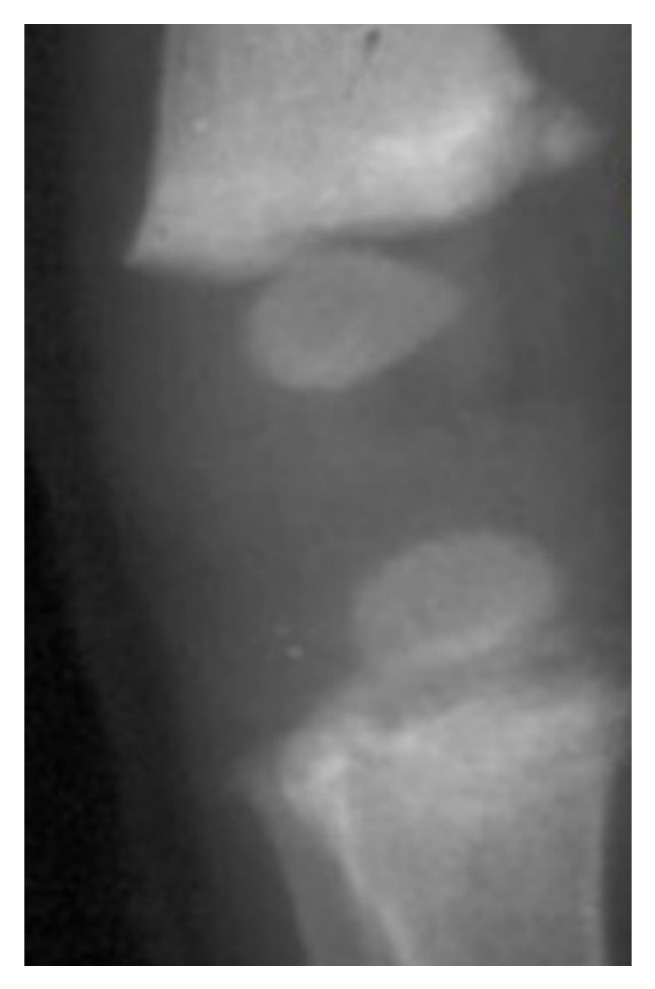
Xray of skeletally immature patient of his knees
Radiograph / imaging
Fig 1. Radiograph / imagingtop left
Radiograph / imaging
Fig 2. Radiograph / imagingtop centre
•Left sided Xray shows a corner fracture of the distal femur
•Right sided Xray shows a bucket handle fracture of the proximal tibia
•(bucket handle = corner #, just looking from different view)
•Both in a skeletally immature patient are very suggestive of non accidental injury (NAI)

Red flag signs

•Multiple bruises (Most common symptom is skin lesion)
•Multiple fractures in various stages of healing
•Long bone fxs in infant that is not yet walking
•Metaphyseal Fractures
•1. Corner fxs (primary spongiosa)
•2. Bucket handle
•Transphyseal separation of the distal humerus
•Posterior rib fractures, scapular #, sternal #
•Ruptured frenulum
•High specificity fractures
•Metaphyseal fractures / bucket handle lesion
•Scapular fracture
•Posterior rib fracture
•Spinous process fracture
•Sternal fracture
•Moderate specificity fracture
•Fracture of different ages
•Multiple fracture esp bilateral
•Epiphyseal separation
•Vertebral fracture or subluxation
•Complex skull fracture
•Multiple digital fracture
•I would take history from patients and relatives
•Hx: Inconsisent history, fail to explain injury, delayed presentation, multiple #
•P/E: systemic → growth, failure to thrive, bruises, burn marks, local → #
Type / groupDefinition / note
Ixskeletal survey +/- bone scan in <5, take bloods, rule out metabolic bone disease or OI
•ADMIT + Multidisciplinary approach + child protection service + social worker
•(remove abuser from environment)
•NAI protocol – child protection meeting
•Mandatory to report (child abuse can be Neglect / physical / sexual / psychological)
•If undiagnosed up to 50% repeated, 10% death
•Ddx: Accident, OI, metabolic bone disease

Direct Q&A

Q1 What are the radiographic findings for Non-accidental injury?
•Left sided Xray shows a corner fracture of the distal femur
•Right sided Xray shows a bucket handle fracture of the proximal tibia
•(bucket handle = corner #, just looking from different view)
•Both in a skeletally immature patient are very suggestive of non accidental injury (NAI)
Q2 What signs or features are listed for Non-accidental injury?

Multiple bruises (Most common symptom is skin lesion)

•Multiple fractures in various stages of healing
•Long bone fxs in infant that is not yet walking
•Metaphyseal Fractures
•1. Corner fxs (primary spongiosa)
•2. Bucket handle
•Transphyseal separation of the distal humerus
•Posterior rib fractures, scapular #, sternal #
•Ruptured frenulum
•High specificity fractures
•Metaphyseal fractures / bucket handle lesion
•Scapular fracture
•Posterior rib fracture
•Spinous process fracture
•Sternal fracture
•Moderate specificity fracture
•Fracture of different ages
•Multiple fracture esp bilateral
•Epiphyseal separation
•Vertebral fracture or subluxation
•Complex skull fracture
•Multiple digital fracture
•I would take history from patients and relatives
•Hx: Inconsisent history, fail to explain injury, delayed presentation, multiple #
•P/E: systemic → growth, failure to thrive, bruises, burn marks, local → #
•Ix: skeletal survey +/- bone scan in <5, take bloods, rule out metabolic bone disease or OI

ADMIT + Multidisciplinary approach + child protection service + social worker

•(remove abuser from environment)
•NAI protocol – child protection meeting
•Mandatory to report (child abuse can be Neglect / physical / sexual / psychological)
•If undiagnosed up to 50% repeated, 10% death
•Ddx: Accident, OI, metabolic bone disease
Q3 How is Non-accidental injury managed?

Xray of skeletally immature patient of his knees
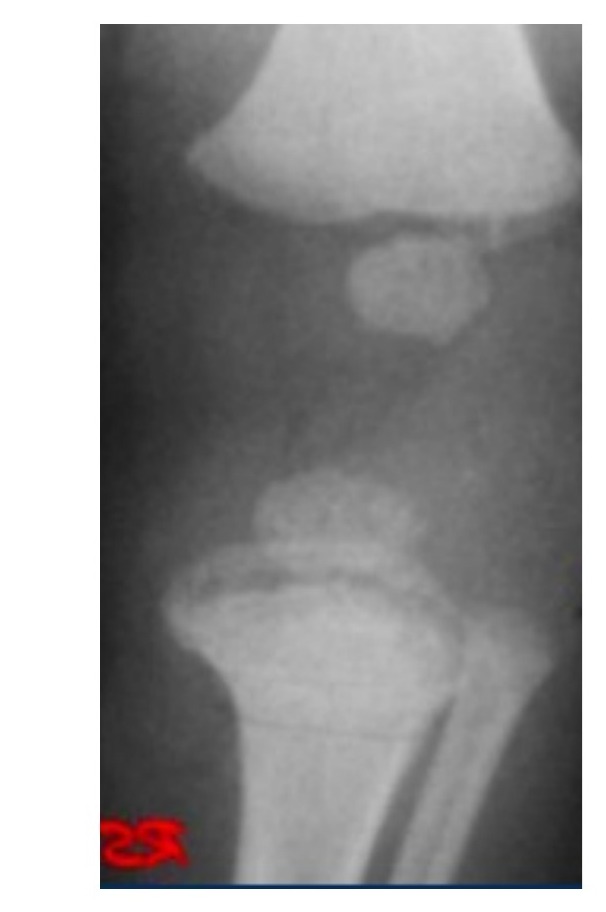
•Left sided Xray shows a corner fracture of the distal femur
•Right sided Xray shows a bucket handle fracture of the proximal tibia
•(bucket handle = corner #, just looking from different view)
•Both in a skeletally immature patient are very suggestive of non accidental injury (NAI)

Red flag signs

•Multiple bruises (Most common symptom is skin lesion)
•Multiple fractures in various stages of healing
•Long bone fxs in infant that is not yet walking
•Metaphyseal Fractures
•1. Corner fxs (primary spongiosa)
•2. Bucket handle
•Transphyseal separation of the distal humerus
•Posterior rib fractures, scapular #, sternal #
•Ruptured frenulum
•High specificity fractures

Raw speaker-note hierarchy audit

#lvlmarLindentlogicaloriginal note line
10000Xray of skeletally immature patient of his knees
20000Left sided Xray shows a corner fracture of the distal femur
30000Right sided Xray shows a bucket handle fracture of the proximal tibia
40000(bucket handle = corner #, just looking from different view)
50000Both in a skeletally immature patient are very suggestive of non accidental injury (NAI)
60000Red flag signs
71NoneNone1Multiple bruises (Most common symptom is skin lesion)
81NoneNone1Multiple fractures in various stages of healing
91NoneNone1Long bone fxs in infant that is not yet walking
101NoneNone1Metaphyseal Fractures
112914400031. Corner fxs (primary spongiosa)
122914400032. Bucket handle
131NoneNone1Transphyseal separation of the distal humerus
141NoneNone1Posterior rib fractures, scapular #, sternal #
151NoneNone1Ruptured frenulum
160NoneNone0High specificity fractures
171685800-2286002Metaphyseal fractures / bucket handle lesion
181685800-2286002Scapular fracture
191685800-2286002Posterior rib fracture
201685800-2286002Spinous process fracture
211685800-2286002Sternal fracture
220000Moderate specificity fracture
231685800-2286002Fracture of different ages
241685800-2286002Multiple fracture esp bilateral
251685800-2286002Epiphyseal separation
261685800-2286002Vertebral fracture or subluxation
271685800-2286002Complex skull fracture
281685800-2286002Multiple digital fracture
290000I would take history from patients and relatives
300000Hx: Inconsisent history, fail to explain injury, delayed presentation, multiple #
310000P/E: systemic → growth, failure to thrive, bruises, burn marks, local → #
320000Ix: skeletal survey +/- bone scan in <5, take bloods, rule out metabolic bone disease or OI
330000ADMIT + Multidisciplinary approach + child protection service + social worker
340000(remove abuser from environment)
350000NAI protocol – child protection meeting
360000Mandatory to report (child abuse can be Neglect / physical / sexual / psychological)
370000If undiagnosed up to 50% repeated, 10% death
380000Ddx: Accident, OI, metabolic bone disease

Improved semantic hierarchy used for the study notes

#semantic levelsection?rewritten line
10yesXray of skeletally immature patient of his knees
21Left sided Xray shows a corner fracture of the distal femur
31Right sided Xray shows a bucket handle fracture of the proximal tibia
41(bucket handle = corner #, just looking from different view)
51Both in a skeletally immature patient are very suggestive of non accidental injury (NAI)
60yesRed flag signs
71Multiple bruises (Most common symptom is skin lesion)
81Multiple fractures in various stages of healing
91Long bone fxs in infant that is not yet walking
101Metaphyseal Fractures
1131. Corner fxs (primary spongiosa)
1232. Bucket handle
131Transphyseal separation of the distal humerus
141Posterior rib fractures, scapular #, sternal #
151Ruptured frenulum
161High specificity fractures
172Metaphyseal fractures / bucket handle lesion
182Scapular fracture
192Posterior rib fracture
202Spinous process fracture
212Sternal fracture
221Moderate specificity fracture
232Fracture of different ages
242Multiple fracture esp bilateral
252Epiphyseal separation
262Vertebral fracture or subluxation
272Complex skull fracture
282Multiple digital fracture
291I would take history from patients and relatives
301Hx: Inconsisent history, fail to explain injury, delayed presentation, multiple #
311P/E: systemic → growth, failure to thrive, bruises, burn marks, local → #
321Ix: skeletal survey +/- bone scan in <5, take bloods, rule out metabolic bone disease or OI
331ADMIT + Multidisciplinary approach + child protection service + social worker
341(remove abuser from environment)
351NAI protocol – child protection meeting
361Mandatory to report (child abuse can be Neglect / physical / sexual / psychological)
371If undiagnosed up to 50% repeated, 10% death
381Ddx: Accident, OI, metabolic bone disease