FRCS Paediatric Ortho — improved notes
FRCS Paediatric Ortho — visual inline notes

132. Elastic nails

visual-inline rebuild4 extracted figuresspeaker notes XML19 study lines3 Q&A

Individual slide images have been cropped from the rendered slide and inserted beside the matching note section. The full slide remains below only for layout/audit.

Clean FRCS notes with inline figures

Elastic nails

•PRINCIPLE
•Based on the double arc secant in equilibrium principle
Operative / approach image
Fig 1. Operative / approach imagetop centre
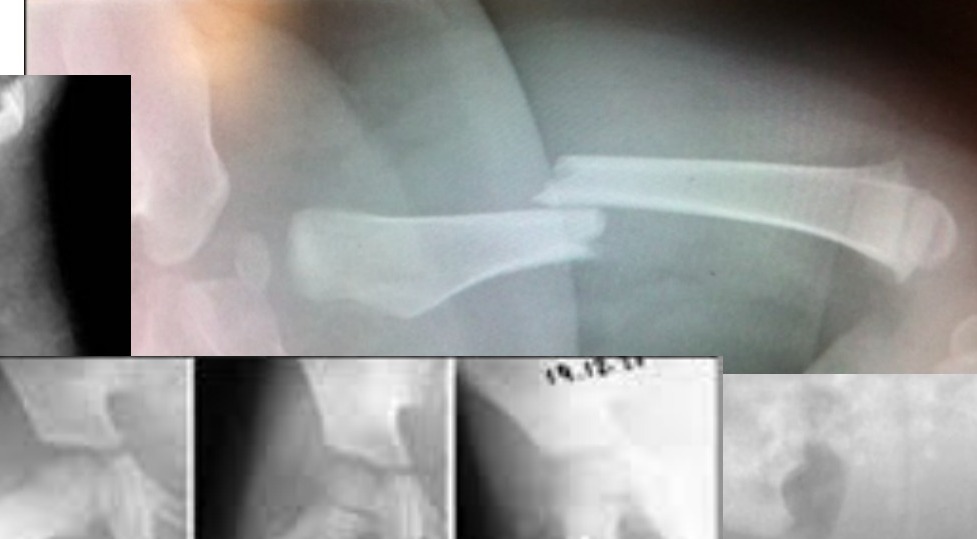
•IM flexible nail is a load sharing device that relies on the 3-point fixation of two opposing nails, with the apex of each nail at the fracture site. The bending moment exerted by the elastic nails on the fracture counteract each other with equal and opposite force to create a stable construct

The symmetrical splinting action produces 4 biomechanical effects (RAFT):

•Rotational stability
•Axial stability
•Flexural stability
•Translational stability

INDICATION

•Works best at the middle 1/3 length stable #, body built <100lbs
•PROCEDURE
•Radiolucent table
•Reduction with F tool
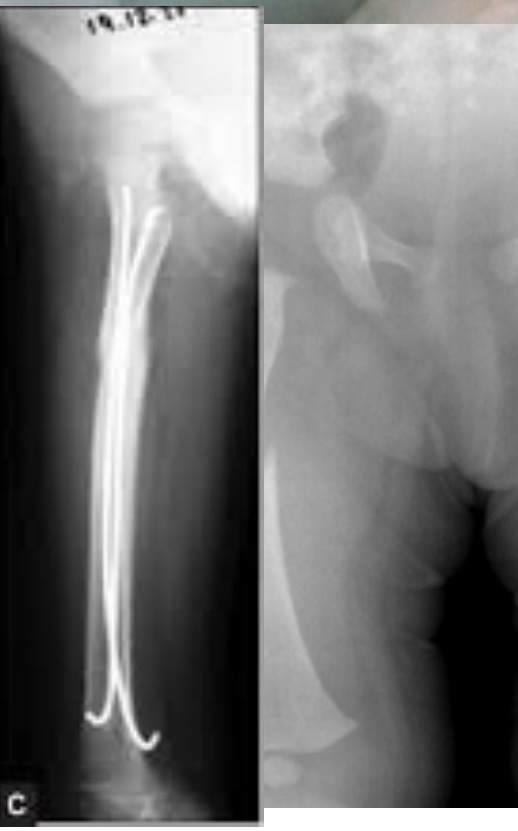
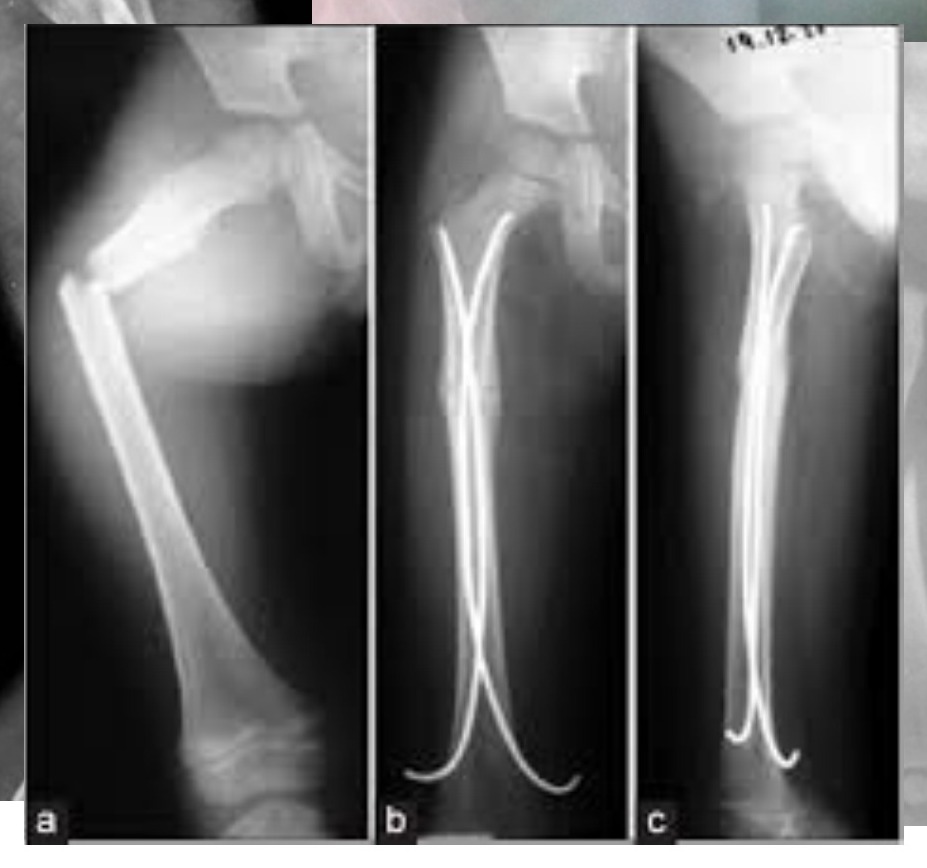
•Choose nail which is 1/3 of the inner canal diameter. Bend each nail 3 times the inner canal diameter, apex at fracture site so the two nails are maximally separated from each other at the fracture site. Insert nail retrograde fashion at metaphysis. Then cap to prevention irritation and migration
•(Flat tips at the nail end better anchorage at the metaphyseal region to improve the rotational control.
•During surgery, I aim at avoiding the physis of the femur)
Radiograph / imaging
Fig 2. Radiograph / imagingtop right
Radiograph / imaging
Fig 3. Radiograph / imagingtop left
Radiograph / imaging
Fig 4. Radiograph / imagingtop left
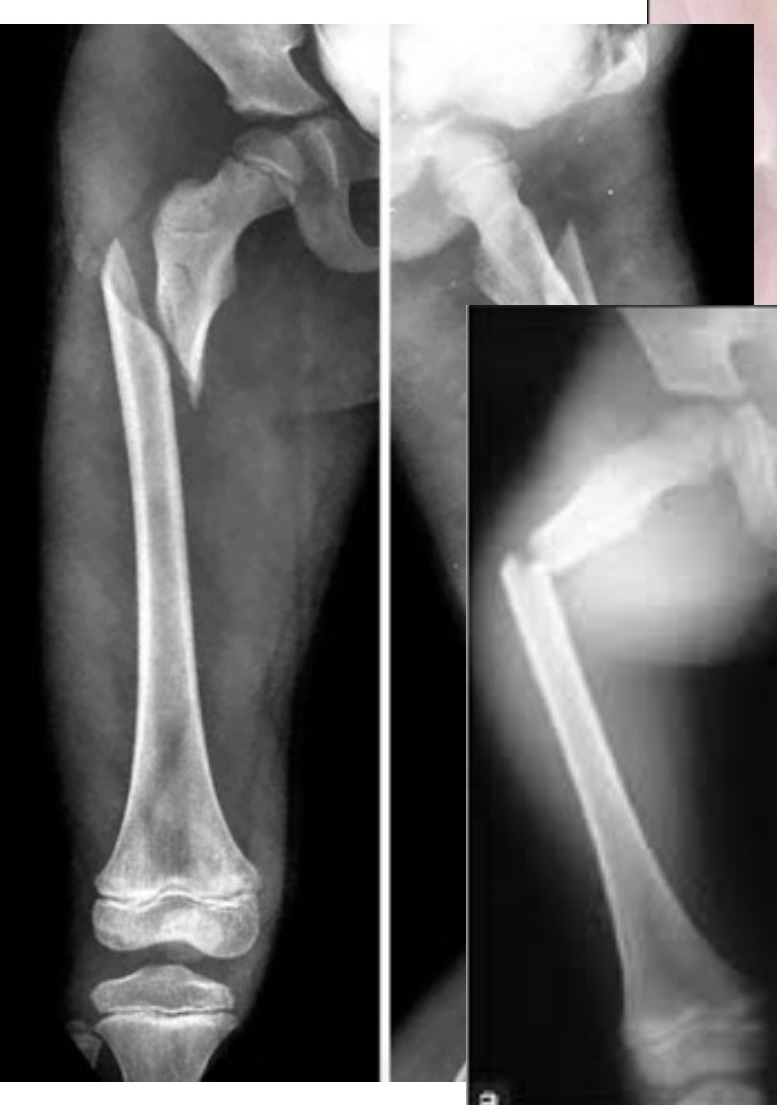
•TDW as tolerated post-op, with gentle mob ex, avoid overaggressive knee strengthening ex (displace #), usually allow FWB after 6/52. FU with XR for healing/loss of reduction.
•Nail removal in 1 yr.

Direct Q&A

Q1 What diagnostic or radiographic findings support Elastic nails?

Elastic nails

•PRINCIPLE
•Based on the double arc secant in equilibrium principle
•IM flexible nail is a load sharing device that relies on the 3-point fixation of two opposing nails, with the apex of each nail at the fracture site. The bending moment exerted by the elastic nails on the fracture counteract each other with equal and opposite force to create a stable construct

The symmetrical splinting action produces 4 biomechanical effects (RAFT):

•Rotational stability
•Axial stability
•Flexural stability
•Translational stability

INDICATION

Q2 What are the indications listed for Elastic nails?
•Works best at the middle 1/3 length stable #, body built <100lbs
•PROCEDURE
•Radiolucent table
•Reduction with F tool
•Choose nail which is 1/3 of the inner canal diameter. Bend each nail 3 times the inner canal diameter, apex at fracture site so the two nails are maximally separated from each other at the fracture site. Insert nail retrograde fashion at metaphysis. Then cap to prevention irritation and migration
•(Flat tips at the nail end better anchorage at the metaphyseal region to improve the rotational control.
•During surgery, I aim at avoiding the physis of the femur)
•TDW as tolerated post-op, with gentle mob ex, avoid overaggressive knee strengthening ex (displace #), usually allow FWB after 6/52. FU with XR for healing/loss of reduction.
•Nail removal in 1 yr.
Q3 How is Elastic nails managed?
•IM flexible nail is a load sharing device that relies on the 3-point fixation of two opposing nails, with the apex of each nail at the fracture site. The bending moment exerted by the elastic nails on the fracture counteract each other with equal and opposite force to create a stable construct

The symmetrical splinting action produces 4 biomechanical effects (RAFT):

•Rotational stability
•Axial stability
•Flexural stability
•Translational stability

INDICATION

•Works best at the middle 1/3 length stable #, body built <100lbs
•PROCEDURE
•Radiolucent table
•Reduction with F tool
•Choose nail which is 1/3 of the inner canal diameter. Bend each nail 3 times the inner canal diameter, apex at fracture site so the two nails are maximally separated from each other at the fracture site. Insert nail retrograde fashion at metaphysis. Then cap to prevention irritation and migration
•(Flat tips at the nail end better anchorage at the metaphyseal region to improve the rotational control.
•During surgery, I aim at avoiding the physis of the femur)
•TDW as tolerated post-op, with gentle mob ex, avoid overaggressive knee strengthening ex (displace #), usually allow FWB after 6/52. FU with XR for healing/loss of reduction.
•Nail removal in 1 yr.

Raw speaker-note hierarchy audit

#lvlmarLindentlogicaloriginal note line
10NoneNone0Elastic nails
20NoneNone0PRINCIPLE
30NoneNone0Based on the double arc secant in equilibrium principle
40NoneNone0IM flexible nail is a load sharing device that relies on the 3-point fixation of two opposing nails, with the apex of each nail at the fracture site. The bending moment exerted by the elastic nails on the fracture counteract each other with equal and opposite force to create a stable construct
50NoneNone0The symmetrical splinting action produces 4 biomechanical effects (RAFT):
63137160004Rotational stability
73137160004Axial stability
83NoneNone3Flexural stability
93NoneNone3Translational stability
100NoneNone0INDICATION
110NoneNone0Works best at the middle 1/3 length stable #, body built <100lbs
120NoneNone0PROCEDURE
130NoneNone0Radiolucent table
140NoneNone0Reduction with F tool
150NoneNone0Choose nail which is 1/3 of the inner canal diameter. Bend each nail 3 times the inner canal diameter, apex at fracture site so the two nails are maximally separated from each other at the fracture site. Insert nail retrograde fashion at metaphysis. Then cap to prevention irritation and migration
160NoneNone0(Flat tips at the nail end better anchorage at the metaphyseal region to improve the rotational control.
170NoneNone0During surgery, I aim at avoiding the physis of the femur)
180NoneNone0TDW as tolerated post-op, with gentle mob ex, avoid overaggressive knee strengthening ex (displace #), usually allow FWB after 6/52. FU with XR for healing/loss of reduction.
190NoneNone0Nail removal in 1 yr.

Improved semantic hierarchy used for the study notes

#semantic levelsection?rewritten line
10Elastic nails
21PRINCIPLE
31Based on the double arc secant in equilibrium principle
41IM flexible nail is a load sharing device that relies on the 3-point fixation of two opposing nails, with the apex of each nail at the fracture site. The bending moment exerted by the elastic nails on the fracture counteract each other with equal and opposite force to create a stable construct
50yesThe symmetrical splinting action produces 4 biomechanical effects (RAFT):
64Rotational stability
74Axial stability
83Flexural stability
93Translational stability
100yesINDICATION
111Works best at the middle 1/3 length stable #, body built <100lbs
121PROCEDURE
131Radiolucent table
141Reduction with F tool
151Choose nail which is 1/3 of the inner canal diameter. Bend each nail 3 times the inner canal diameter, apex at fracture site so the two nails are maximally separated from each other at the fracture site. Insert nail retrograde fashion at metaphysis. Then cap to prevention irritation and migration
161(Flat tips at the nail end better anchorage at the metaphyseal region to improve the rotational control.
171During surgery, I aim at avoiding the physis of the femur)
181TDW as tolerated post-op, with gentle mob ex, avoid overaggressive knee strengthening ex (displace #), usually allow FWB after 6/52. FU with XR for healing/loss of reduction.
191Nail removal in 1 yr.