FRCS Paediatric Ortho — improved notes
FRCS Paediatric Ortho — visual inline notes

135. TT avulsion fracture

visual-inline rebuild2 extracted figuresspeaker notes XML61 study lines4 Q&A

Individual slide images have been cropped from the rendered slide and inserted beside the matching note section. The full slide remains below only for layout/audit.

Clean FRCS notes with inline figures

TT avulsion fracture

Lateral knee Xray of skeletally immature patient
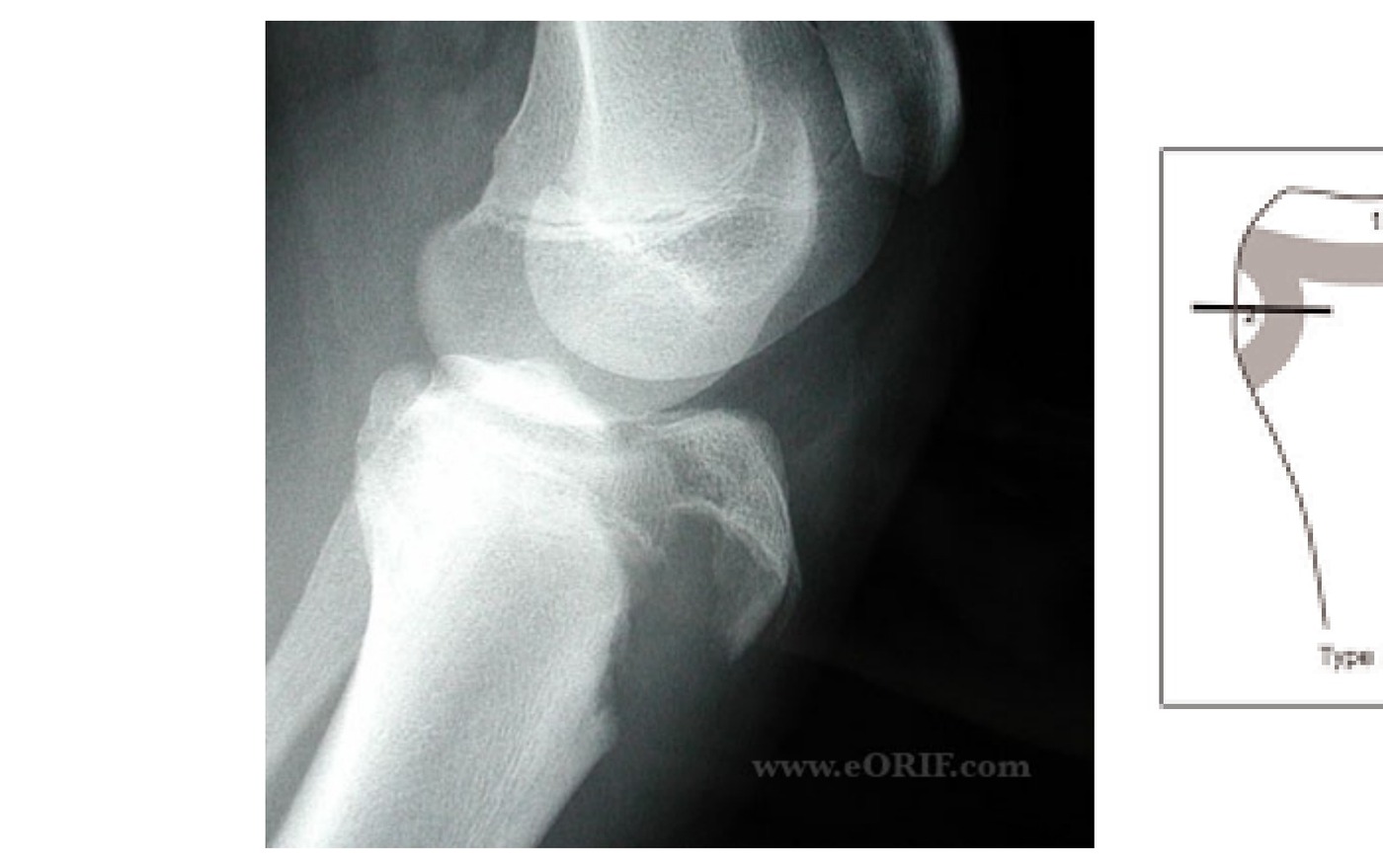
Radiograph / imaging
Fig 1. Radiograph / imagingtop left
•Fracture over proximal tibia involving the tibial tuberosity
•Fracture extension into knee joint
•Ogden Type 3B fracture

Ogden classification
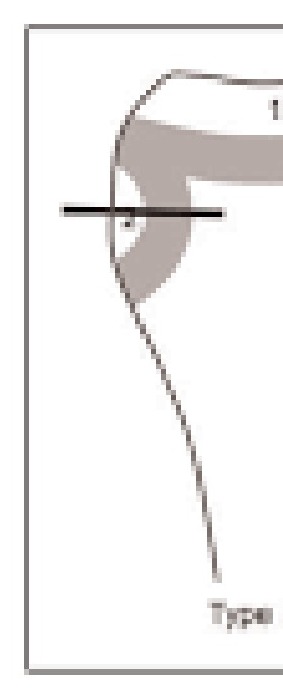
Classification / diagram
Fig 2. Classification / diagramtop right
•Type 1 through secondary ossification center
•Type 2 between primary and secondary
•Type 3 cross primary
•Type 4 through entire physis
•Type 5 sleeve
•A undisplaced, B displaced
•Clinically expect extension lag (may still be possible as medial retinaculum extend beyond proximal tibial physis)
•Rule out compartment syndrome (proximal tibial recurrent artery)

Investigate with AP, Lat, oblique Xray

•+/- CT
•+/- MRI (undisplaced Type 2)

Management

•Long leg cast in full KE for IA and IB with <2mm displacement
•Otherwise
•>3yr from closure: smooth pin + TBW
•<3yr from closure: lag screw
Type / groupDefinition / note
Type III+/- arthroscopy
Type Vsoft tissue repair

Complications:

Acute: compartment syndrome

Chronic:

•Recurvatum: anterior growth arrest
•Stiffness
•Bursitis related to screw
•Patellar alta

•2 ossification center in tibial tuberosity
•Primary: proximal tibial physis
•Secondary: tibial tubercle physis
•Secondary at risk (13-16yo) because
•Primary fuse from posterior to anterior
•Secondary from proximal to distal
•4 stages of development in the TT ossification center
•Cartilaginous phase (no ossification center)
•Apophyseal phase (9yo, second ossification center)
•Epiphyseal phase (fuse from posterior to anterior to primary ossification center)
•Bony phase (16yo, closure of physis)
•Ossification sequence: FPT (fibula, patella, TT), 339

Risk factors:

•Patellar baja
•Tight hamstrings
•Osgood Schlatter disease
•# usually from eccentric contraction of quadriceps as patella insert onto secondary ossification center, near end of growth

•Apophysitis of TT
•Anterior knee pain in jumpers
•PE: Enlarged TT with pain

XR: TT fragmentation and irregularity

•DDx: Jumper’s knee (patella tendinopathy), Sinding-Larsen-Johanson syndrome (apophysitis of inferior patella pole), TT fracture
•Tx: NSAID, physio, excision of ossicle if refractory after maturity

Jumpers knee:

•Repetitive forceful eccentric contraction of quadriceps
•PE: Basset’s sign: Pain at inferior pole of patella with extension, resolve with flexion

XR: Enthesophyte at inferior patella

•Tx: NSAID, physio, surgical excision of disease tendon and repair

Direct Q&A

Q1 What are the radiographic findings for TT avulsion fracture?

Fracture over proximal tibia involving the tibial tuberosity

•Fracture extension into knee joint
•Ogden Type 3B fracture
Q2 How is TT avulsion fracture classified here?
•Type 1 through secondary ossification center
•Type 2 between primary and secondary
•Type 3 cross primary
•Type 4 through entire physis
•Type 5 sleeve
•A undisplaced, B displaced
•Clinically expect extension lag (may still be possible as medial retinaculum extend beyond proximal tibial physis)
•Rule out compartment syndrome (proximal tibial recurrent artery)
Q3 How is TT avulsion fracture managed?
•Long leg cast in full KE for IA and IB with <2mm displacement
•Otherwise
•>3yr from closure: smooth pin + TBW
•<3yr from closure: lag screw
•Type III: +/- arthroscopy
•Type V: soft tissue repair
Q4 What risk factors are listed for TT avulsion fracture?

Patellar baja

•Tight hamstrings
•Osgood Schlatter disease
•# usually from eccentric contraction of quadriceps as patella insert onto secondary ossification center, near end of growth

Raw speaker-note hierarchy audit

#lvlmarLindentlogicaloriginal note line
10NoneNone0TT avulsion fracture
20NoneNone0Lateral knee Xray of skeletally immature patient
30NoneNone0Fracture over proximal tibia involving the tibial tuberosity
40NoneNone0Fracture extension into knee joint
50NoneNone0Ogden Type 3B fracture
60NoneNone0Ogden classification
70171450-1714501Type 1 through secondary ossification center
80171450-1714501Type 2 between primary and secondary
90171450-1714501Type 3 cross primary
100171450-1714501Type 4 through entire physis
110171450-1714501Type 5 sleeve
120171450-1714501A undisplaced, B displaced
130000Clinically expect extension lag (may still be possible as medial retinaculum extend beyond proximal tibial physis)
140NoneNone0Rule out compartment syndrome (proximal tibial recurrent artery)
150NoneNone0Investigate with AP, Lat, oblique Xray
160NoneNone0+/- CT
170NoneNone0+/- MRI (undisplaced Type 2)
180NoneNone0Mx:
190NoneNone0Long leg cast in full KE for IA and IB with <2mm displacement
200NoneNone0Otherwise
210NoneNone0>3yr from closure: smooth pin + TBW
220NoneNone0<3yr from closure: lag screw
230NoneNone0Type III: +/- arthroscopy
240NoneNone0Type V: soft tissue repair
250NoneNone0Complications:
260171450-1714501Acute: compartment syndrome
270171450-1714501Chronic:
281628650-1714502Recurvatum: anterior growth arrest
291628650-1714502Stiffness
301628650-1714502Bursitis related to screw
311628650-1714502Patellar alta
320000-------------------------------------------------------
330NoneNone02 ossification center in tibial tuberosity
340171450-1714501Primary: proximal tibial physis
350171450-1714501Secondary: tibial tubercle physis
360000Secondary at risk (13-16yo) because
370NoneNone0Primary fuse from posterior to anterior
380NoneNone0Secondary from proximal to distal
390NoneNone04 stages of development in the TT ossification center
400228600-2286001Cartilaginous phase (no ossification center)
410228600-2286001Apophyseal phase (9yo, second ossification center)
420228600-2286001Epiphyseal phase (fuse from posterior to anterior to primary ossification center)
430228600-2286001Bony phase (16yo, closure of physis)
440NoneNone0Ossification sequence: FPT (fibula, patella, TT), 339
450NoneNone0Risk factors:
460171450-1714501Patellar baja
470171450-1714501Tight hamstrings
480171450-1714501Osgood Schlatter disease
490NoneNone0# usually from eccentric contraction of quadriceps as patella insert onto secondary ossification center, near end of growth
500NoneNone0=============================
510NoneNone0Osgood Schlatter disease
520171450-1714501Apophysitis of TT
530171450-1714501Anterior knee pain in jumpers
540171450-1714501PE: Enlarged TT with pain
550171450-1714501XR: TT fragmentation and irregularity
560171450-1714501DDx: Jumper’s knee (patella tendinopathy), Sinding-Larsen-Johanson syndrome (apophysitis of inferior patella pole), TT fracture
570171450-1714501Tx: NSAID, physio, excision of ossicle if refractory after maturity
580000Jumpers knee:
590171450-1714501Repetitive forceful eccentric contraction of quadriceps
600171450-1714501PE: Basset’s sign: Pain at inferior pole of patella with extension, resolve with flexion
610171450-1714501XR: Enthesophyte at inferior patella
620171450-1714501Tx: NSAID, physio, surgical excision of disease tendon and repair

Improved semantic hierarchy used for the study notes

#semantic levelsection?rewritten line
10TT avulsion fracture
20yesLateral knee Xray of skeletally immature patient
31Fracture over proximal tibia involving the tibial tuberosity
41Fracture extension into knee joint
51Ogden Type 3B fracture
60yesOgden classification
71Type 1 through secondary ossification center
81Type 2 between primary and secondary
91Type 3 cross primary
101Type 4 through entire physis
111Type 5 sleeve
121A undisplaced, B displaced
131Clinically expect extension lag (may still be possible as medial retinaculum extend beyond proximal tibial physis)
141Rule out compartment syndrome (proximal tibial recurrent artery)
150yesInvestigate with AP, Lat, oblique Xray
161+/- CT
171+/- MRI (undisplaced Type 2)
180yesManagement
191Long leg cast in full KE for IA and IB with <2mm displacement
201Otherwise
211>3yr from closure: smooth pin + TBW
221<3yr from closure: lag screw
231Type III: +/- arthroscopy
241Type V: soft tissue repair
250yesComplications:
260yesAcute: compartment syndrome
270yesChronic:
282Recurvatum: anterior growth arrest
292Stiffness
302Bursitis related to screw
312Patellar alta
320——
3312 ossification center in tibial tuberosity
341Primary: proximal tibial physis
351Secondary: tibial tubercle physis
361Secondary at risk (13-16yo) because
371Primary fuse from posterior to anterior
381Secondary from proximal to distal
3914 stages of development in the TT ossification center
401Cartilaginous phase (no ossification center)
411Apophyseal phase (9yo, second ossification center)
421Epiphyseal phase (fuse from posterior to anterior to primary ossification center)
431Bony phase (16yo, closure of physis)
441Ossification sequence: FPT (fibula, patella, TT), 339
450yesRisk factors:
461Patellar baja
471Tight hamstrings
481Osgood Schlatter disease
491# usually from eccentric contraction of quadriceps as patella insert onto secondary ossification center, near end of growth
500——
511Apophysitis of TT
521Anterior knee pain in jumpers
531PE: Enlarged TT with pain
540yesXR: TT fragmentation and irregularity
551DDx: Jumper’s knee (patella tendinopathy), Sinding-Larsen-Johanson syndrome (apophysitis of inferior patella pole), TT fracture
561Tx: NSAID, physio, excision of ossicle if refractory after maturity
570yesJumpers knee:
581Repetitive forceful eccentric contraction of quadriceps
591PE: Basset’s sign: Pain at inferior pole of patella with extension, resolve with flexion
600yesXR: Enthesophyte at inferior patella
611Tx: NSAID, physio, surgical excision of disease tendon and repair