FRCS Paediatric Ortho — improved notes
FRCS Paediatric Ortho — visual inline notes

137. Toddler’s fracture

visual-inline rebuild3 extracted figuresspeaker notes XML41 study lines2 Q&A

Individual slide images have been cropped from the rendered slide and inserted beside the matching note section. The full slide remains below only for layout/audit.

Clean FRCS notes with inline figures

Toddler’s fracture
Radiograph / imaging
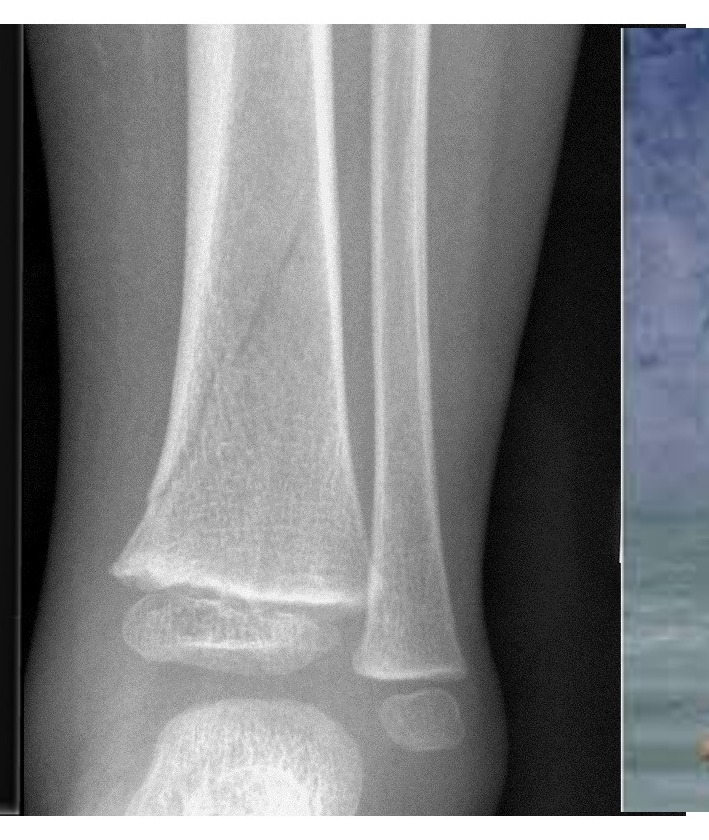
Fig 1. Radiograph / imagingtop left
Radiograph / imaging
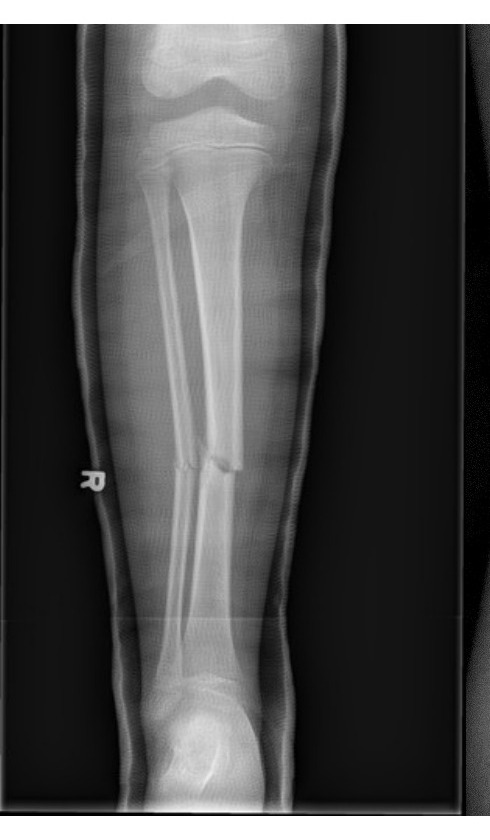
Fig 2. Radiograph / imagingtop left
•Fracture tibia shaft in children age 1-2, spiral
•Usually undisplaced
•Mechanism: forceful foot ER with knee fixed, low energy
•Acceptable alignment
•>50% apposition of ends (OB: translation)
•<1cm shortening
•<10deg angulation in all planes
•Comment on any fibular fracture

Management

•Stable
•Long leg cast for 3 weeks, then short leg for 3 weeks
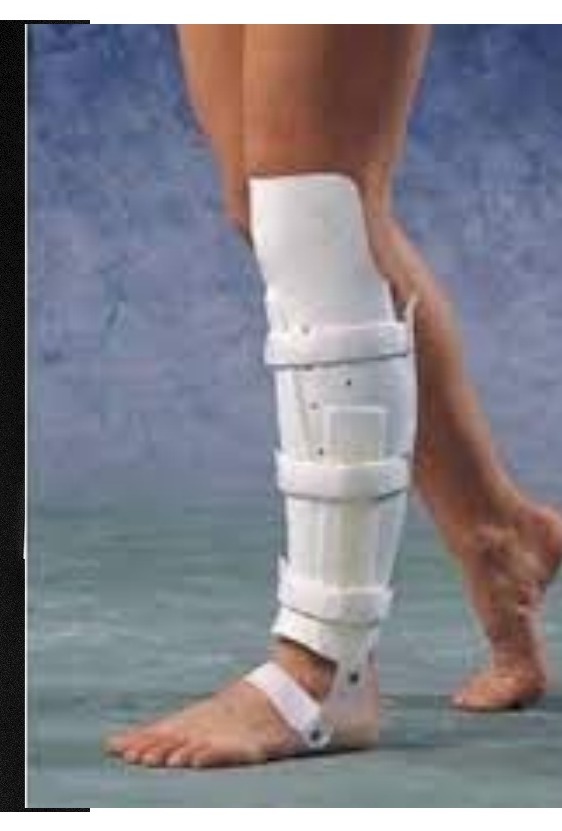
•For adolescent, to patellar bearing brace / Sarmiento brace at 8 weeks, for total 12 weeks

Position of casting
Brace / treatment image
Fig 3. Brace / treatment imagetop right
•Slight ankle PF (prevent apex posterior angulation)
•Knee flexion (control rotation, prevent WB)
•FU weekly for initial 3 weeks
•Unstable
•Supplementary fixation
•Too narrow: need cross K wire
•>=6mm: elastic IMN
•Closed physis: locking nail
•Time to healing
•Neonate: 2-3 weeks
•Children 4-6 weeks
•Adolescent 8-12 weeks

Principle of Sarmiento cast:

•Hydraulic mechanism – tissues and noncompressible fluid within a rigid container
•The incompressible nature of the fluid around a fracture prevents excessive shortening
•Substantial pressure develop in the soft tissues under load and this supports the bone fragments
•Continued function is part of the normal process of healing and desirable for osteogenesis
•Motion between the fracture fragments may assist in producing an environment that is conducive to osteogenesis
•Muscle activity also stimulate the development of a new blood supply for the production of peripheral callus
•Design of Sarmiento brace
•Patellar tendon - partial weight bearing
•Proximal ears of the cast medially and laterally are continued as far posteriorly as possible opposite to the level of the tibial tubercle without impinging hamstrings
•Triangular shape to fit the tibial contour
•Coronal plane: Large anterior shell and small posterior shell
•Rotational plane: Femoral condylar extension with precise infrapatellar molding (patellar bearing) – to hold the tibial plateau, enhance rotational stability (M-L) + Distal flaring for both malleoli
•Pistoning: Plastic foot-insert with a hinged ankle component

Direct Q&A

Q1 What diagnostic or radiographic findings support Toddler’s fracture?

Toddler’s fracture

•Fracture tibia shaft in children age 1-2, spiral
•Usually undisplaced
•Mechanism: forceful foot ER with knee fixed, low energy
•Acceptable alignment
•>50% apposition of ends (OB: translation)
•<1cm shortening
•<10deg angulation in all planes
•Comment on any fibular fracture

Management

Q2 How is Toddler’s fracture managed?

Stable

•Long leg cast for 3 weeks, then short leg for 3 weeks
•For adolescent, to patellar bearing brace / Sarmiento brace at 8 weeks, for total 12 weeks

Raw speaker-note hierarchy audit

#lvlmarLindentlogicaloriginal note line
10NoneNone0Toddler’s fracture
20NoneNone0Fracture tibia shaft in children age 1-2, spiral
30NoneNone0Usually undisplaced
40000Mechanism: forceful foot ER with knee fixed, low energy
50NoneNone0Acceptable alignment
60171450-1714501>50% apposition of ends (OB: translation)
70171450-1714501<1cm shortening
80171450-1714501<10deg angulation in all planes
90NoneNone0Comment on any fibular fracture
100NoneNone0Mx:
110NoneNone0Stable
120NoneNone0Long leg cast for 3 weeks, then short leg for 3 weeks
130NoneNone0For adolescent, to patellar bearing brace / Sarmiento brace at 8 weeks, for total 12 weeks
140NoneNone0Position of casting
150171450-1714501Slight ankle PF (prevent apex posterior angulation)
160171450-1714501Knee flexion (control rotation, prevent WB)
170NoneNone0FU weekly for initial 3 weeks
180NoneNone0Unstable
190NoneNone0Supplementary fixation
200171450-1714501Too narrow: need cross K wire
210171450-1714501>=6mm: elastic IMN
220171450-1714501Closed physis: locking nail
230000Time to healing
240000Neonate: 2-3 weeks
250000Children 4-6 weeks
260000Adolescent 8-12 weeks
270000======================================================================
280000Principle of Sarmiento cast:
290171450-1714501Hydraulic mechanism – tissues and noncompressible fluid within a rigid container
300171450-1714501The incompressible nature of the fluid around a fracture prevents excessive shortening
310171450-1714501Substantial pressure develop in the soft tissues under load and this supports the bone fragments
320171450-1714501Continued function is part of the normal process of healing and desirable for osteogenesis
330171450-1714501Motion between the fracture fragments may assist in producing an environment that is conducive to osteogenesis
340171450-1714501Muscle activity also stimulate the development of a new blood supply for the production of peripheral callus
350000Design of Sarmiento brace
360171450-1714501Patellar tendon - partial weight bearing
370171450-1714501Proximal ears of the cast medially and laterally are continued as far posteriorly as possible opposite to the level of the tibial tubercle without impinging hamstrings
380171450-1714501Triangular shape to fit the tibial contour
390171450-1714501Coronal plane: Large anterior shell and small posterior shell
400171450-1714501Rotational plane: Femoral condylar extension with precise infrapatellar molding (patellar bearing) – to hold the tibial plateau, enhance rotational stability (M-L) + Distal flaring for both malleoli
410171450-1714501Pistoning: Plastic foot-insert with a hinged ankle component

Improved semantic hierarchy used for the study notes

#semantic levelsection?rewritten line
10Toddler’s fracture
21Fracture tibia shaft in children age 1-2, spiral
31Usually undisplaced
41Mechanism: forceful foot ER with knee fixed, low energy
51Acceptable alignment
61>50% apposition of ends (OB: translation)
71<1cm shortening
81<10deg angulation in all planes
91Comment on any fibular fracture
100yesManagement
111Stable
121Long leg cast for 3 weeks, then short leg for 3 weeks
131For adolescent, to patellar bearing brace / Sarmiento brace at 8 weeks, for total 12 weeks
140yesPosition of casting
151Slight ankle PF (prevent apex posterior angulation)
161Knee flexion (control rotation, prevent WB)
171FU weekly for initial 3 weeks
181Unstable
191Supplementary fixation
201Too narrow: need cross K wire
211>=6mm: elastic IMN
221Closed physis: locking nail
231Time to healing
241Neonate: 2-3 weeks
251Children 4-6 weeks
261Adolescent 8-12 weeks
270——
280yesPrinciple of Sarmiento cast:
291Hydraulic mechanism – tissues and noncompressible fluid within a rigid container
301The incompressible nature of the fluid around a fracture prevents excessive shortening
311Substantial pressure develop in the soft tissues under load and this supports the bone fragments
321Continued function is part of the normal process of healing and desirable for osteogenesis
331Motion between the fracture fragments may assist in producing an environment that is conducive to osteogenesis
341Muscle activity also stimulate the development of a new blood supply for the production of peripheral callus
351Design of Sarmiento brace
361Patellar tendon - partial weight bearing
371Proximal ears of the cast medially and laterally are continued as far posteriorly as possible opposite to the level of the tibial tubercle without impinging hamstrings
381Triangular shape to fit the tibial contour
391Coronal plane: Large anterior shell and small posterior shell
401Rotational plane: Femoral condylar extension with precise infrapatellar molding (patellar bearing) – to hold the tibial plateau, enhance rotational stability (M-L) + Distal flaring for both malleoli
411Pistoning: Plastic foot-insert with a hinged ankle component